What she had
Barlow, 1918
Tuberculosis in both lungs. Nobody told her; she was told she had grown too fast.
Blythewood, 1938
Drinking she couldn’t stop. Nobody gave it a name. She was just one of “people like you.”
Chicago and Los Angeles · 1904–1921
At fourteen she had tuberculosis and nobody would say so; she began to get well once a doctor told her the truth, and the girl next door, kept hidden at home, died.
“All my life I have felt that stigma killed Catherine. And it nearly killed me.”
Marty M. was born on October 15, 1904, in her grandparents’ house in Chicago, the eldest of Will and Lill’s four children who lived to grow up. By the time she was seven, her father was a vice president of Marshall Field and Company, running its huge wholesale business. The family lived on Kenmore Avenue on the North Side, each child had a nanny, and the children saw their parents for an hour or so at cocktail time. Marty was headstrong, and said so herself: “Anyone who knew me could testify that I had been afflicted with a little too much of that commodity known as willpower, in my case called willful.”
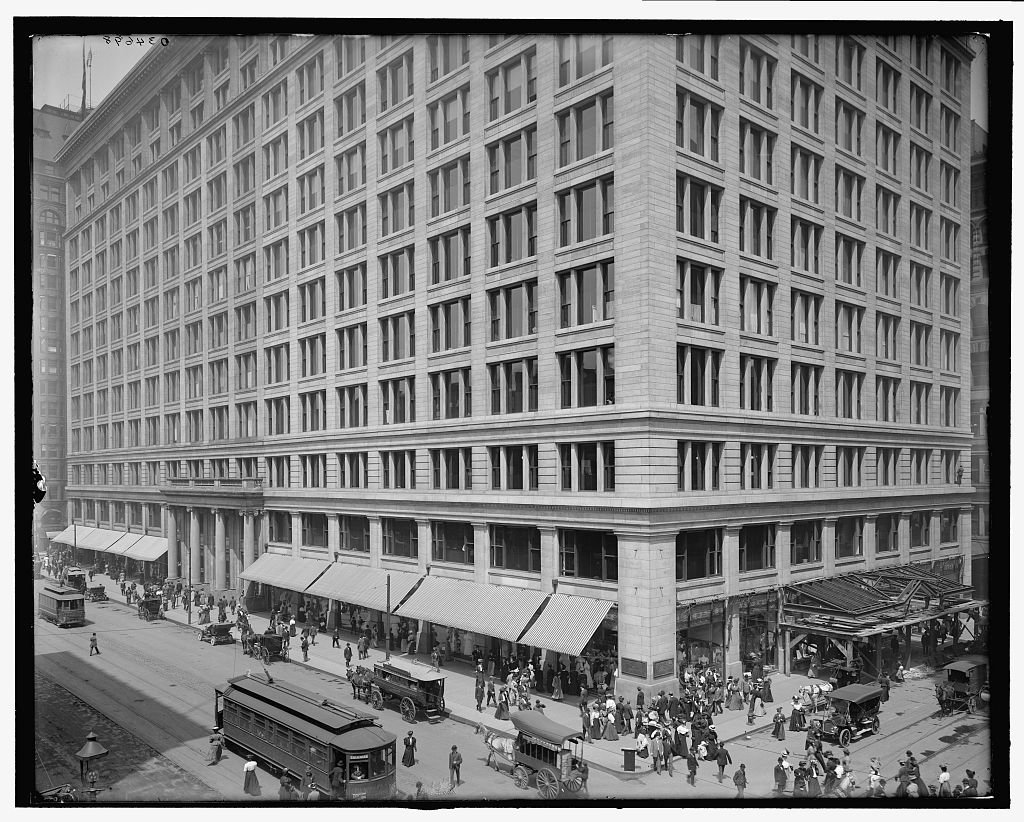
In 1918 the twins, Bill and Betty, were born, and the family moved to a bigger house on the same street. That year Marty, fourteen and about to start high school, was found to have tuberculosis in both lungs. TB was a major cause of death in Chicago, and to a family like hers it was a disgrace: it was supposed to come with poverty and dirt. Her parents didn’t tell her what she had. Children couldn’t be trusted to keep quiet, she said later, and the neighbors would find out. She was told she had grown too fast.
She was sent with a registered nurse to Barlow Sanatorium, in Chavez Ravine beside Elysian Park in Los Angeles, and the whole household moved to a rented estate in Pasadena to be near her. She lived in a bungalow of her own with her nurse, a private patient in a sanatorium full to capacity, where soldiers with TB from the war came first. The rules were strict, down to the hour the lights went out. She didn’t like the eggnogs she was given, so she threw them out the window, and she sneaked out of bed. She got worse.
Then Dr. W. Jarvis Barlow, who had founded the sanatorium, called her into his office. “I must break my word to your family. You have to know what’s wrong with you because you must cooperate. You must do what you’re told.” She did. She spent a year at Barlow; a second year at home in Pasadena with a nurse, eating something every hour and up for a couple of hours each afternoon; and a third back in Chicago, resting every afternoon. Along the way she lost the big toe on her left foot, amputated after complications of the disease. The TB was arrested, not cured, and she knew it for the rest of her life.
Next door in Chicago, a girl she played with, whose family and hers were friends, caught TB at the same time. That family was as ashamed as hers, Marty said, but they didn’t send their daughter away. They kept her at home and hid her, and she died. Her name was Catherine. When Marty told the story in 1961, she had spent seventeen years fighting the same kind of shame about another disease, alcoholism. “So I have a strong feeling about the elimination of stigma on illness.”
It’s 1918, in Chicago. Marty M. is fourteen, the eldest daughter of a rich family, about to start high school, and she has tuberculosis in both lungs.
Nobody tells her. TB is a disgrace, and children talk, so she’s told she has grown too fast.
At a sanatorium in Los Angeles she throws her eggnogs out the window and sneaks out of bed, and she gets worse. Then her doctor breaks his word to her family, and tells her the truth.
She does what she’s told. It takes three years.
Next door in Chicago, a girl named Catherine has TB too. Her family keeps her at home, and hides her. And she dies.
Years later, Marty will say that stigma killed Catherine, and nearly killed her too.
Then and twenty years later
Twenty years after Barlow, Marty M. was a patient again, at Blythewood, a private sanitarium in Greenwich, Connecticut, this time for drinking she couldn’t stop. Here are the two cures side by side.
From her biographers’ account, built from her talks and writings. Barlow’s rules are quoted from a history of the sanatorium, and the last row on the left from her 1961 talk.
Barlow, 1918
Tuberculosis in both lungs. Nobody told her; she was told she had grown too fast.
Blythewood, 1938
Drinking she couldn’t stop. Nobody gave it a name. She was just one of “people like you.”
Barlow, 1918
Her family. She was a private patient, with a bungalow and a nurse of her own.
Blythewood, 1938
Blythewood. She came as a charity patient, with one suitcase of secondhand clothes.
Barlow, 1918
“Lights out at 9 P.M. Cold plunge every morning; hot baths Tuesday and Saturday.”
Blythewood, 1938
No bars on the windows. She got passes into New York, for the theater, the dentist or lunch with friends.
Barlow, 1918
She threw her eggnogs out the window and sneaked out of bed.
Blythewood, 1938
Nine passes in ten, she came back sober. The tenth, she came back drunk. After Tiebout warned her, she learned to hide it.
Barlow, 1918
Dr. Barlow broke his word to her family and told her she had TB, and that she had to cooperate.
Blythewood, 1938
Dr. Harry Tiebout told her she could never drink again. To her that sounded like “gray, gray, gray death.”
Barlow, 1918
“… when I was given the opportunity, young as I was, to make my own decision, I made it. And I made it on the side of life.”
Blythewood, 1938
Being told wasn’t enough. She argued with Tiebout for months. The change came early in 1939, with a book written by alcoholics: 4 · The red manuscript.
No name for it
Both times she was fighting a disease nobody would name to her. At fourteen, the truth from her doctor was enough to turn her around. At thirty-four, it took a book by people like her.
For a closer look
The sanatorium’s rules, what tuberculosis meant in 1918, and the grandfather who was a doctor.
Dr. W. Jarvis Barlow opened his sanatorium in 1902 to serve “poor consumptives,” and later took paying patients as well. In Marty’s time it had sixty to seventy beds, a few bungalows, and a staff he ran like a family. Patients stayed an average of 221 days, and anyone who left before the doctors said so couldn’t come back if the disease flared up again.
The rules covered everything from spitting to glass tables. Patients were not to talk about their illnesses, and they had to earn their keep: “When doctors think them able, every patient must do some work about the Sanatorium or go away.”
Barlow had had a mild case of TB himself as a young doctor. Marty didn’t know he was a famous specialist. She knew him as a friend, and something like a second father.
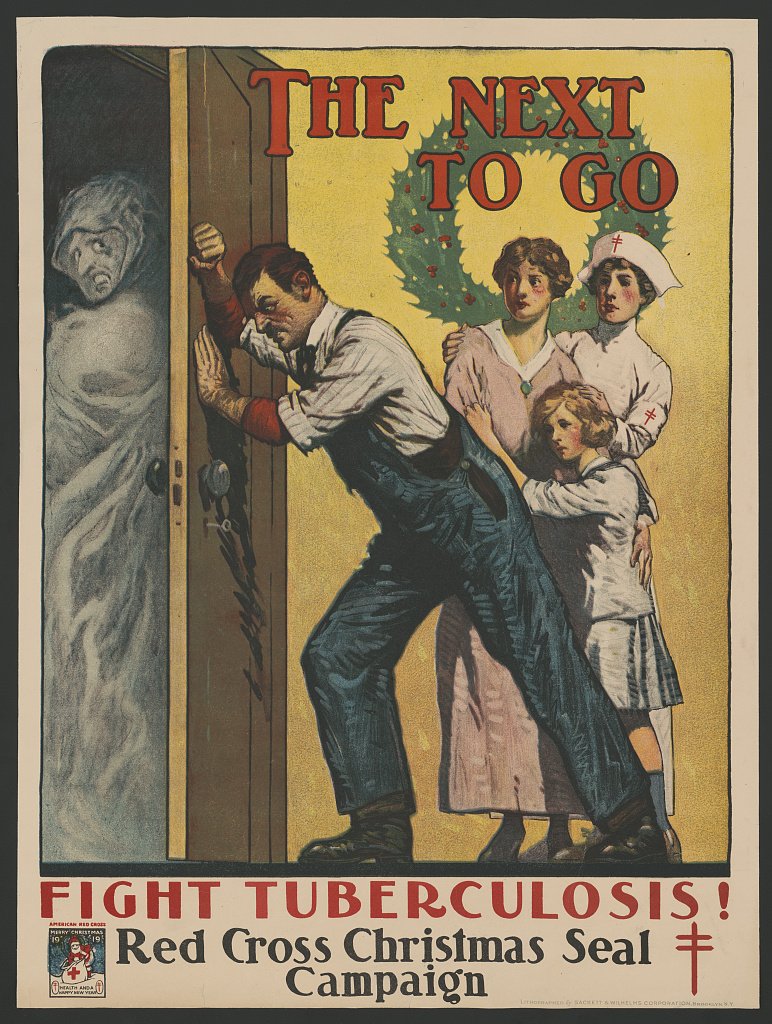
In 1918 tuberculosis killed tens of thousands of Americans a year. There were no drugs for it. The only treatment was months of rest, food, fresh air and sunshine, often far from the cities, and only cases caught early had much of a chance. It also carried a stigma, as a disease of poverty and dirt.
The National Tuberculosis Association, founded in 1904, spent decades changing that with public education. When Marty set out in 1944 to do the same for alcoholism, she modeled her organization on it. In 1961, when President Kennedy canceled his keynote at the association’s annual meeting, it asked her to speak in his place. She was the first woman it had asked to give the keynote.
Her father’s father, Horace, was a doctor and surgeon in Marinette, Wisconsin, in lumber country on Green Bay. With two partners he started a hospital there. Lumbermen could buy a hospital ticket from agents in the camps for $10, which covered their care if they were hurt or fell ill, plus a dollar a week while they were in.
His rule was, “If you’re going to care for people, you have to care.” Marty grew up on it. In 1961, speaking to the tuberculosis association about the volunteers who fight disease, she said, “They do it because they care.” Her biographers note that the words came from her grandfather.