“They had begun to find this through the old Oxford Groups in its earlier and, I think, better days.”
Better days
After the break with Buchman in 1941, Sam Shoemaker went on with his own work: Calvary Church in New York until 1952, then Calvary Church in Pittsburgh, and a lay movement called Faith at Work. Some time after the break he wrote Bill W. an apology. At Calvary, he said, they had been “coached in the feeling that you were off on your own spur,” and for his own part “in that stupid desire to control the Spirit, as He manifested Himself in individual people like yourself, I am heartily sorry and ashamed.”
In July 1955 AA held its twentieth-anniversary convention in the Kiel Auditorium in St. Louis, and on the Sunday morning Shoemaker spoke. Bill introduced him: “It is through Sam Shoemaker that most of A.A.’s spiritual principles have come.” A woman had asked Shoemaker when he arrived whether he was an alcoholic. When he said no, she told him, “Well, you talk like one!” For an outfit like AA “to become dogmatic would have been fatal, I think,” he said; it had been wise to stick to the experience and leave the theology to the churches.
Bill set down his verdict two years later. Some of the Group’s attitudes had “proved unsuited to A.A.’s purpose,” he wrote, and Shoemaker’s own views of “these lesser aspects of the Oxford Groups had later changed and become more like our A.A. views of today.” What mattered was what AA had taken. “A.A. owes a debt of timeless gratitude for all that God sent us through Sam and his friends in the days of A.A.’s infancy.”
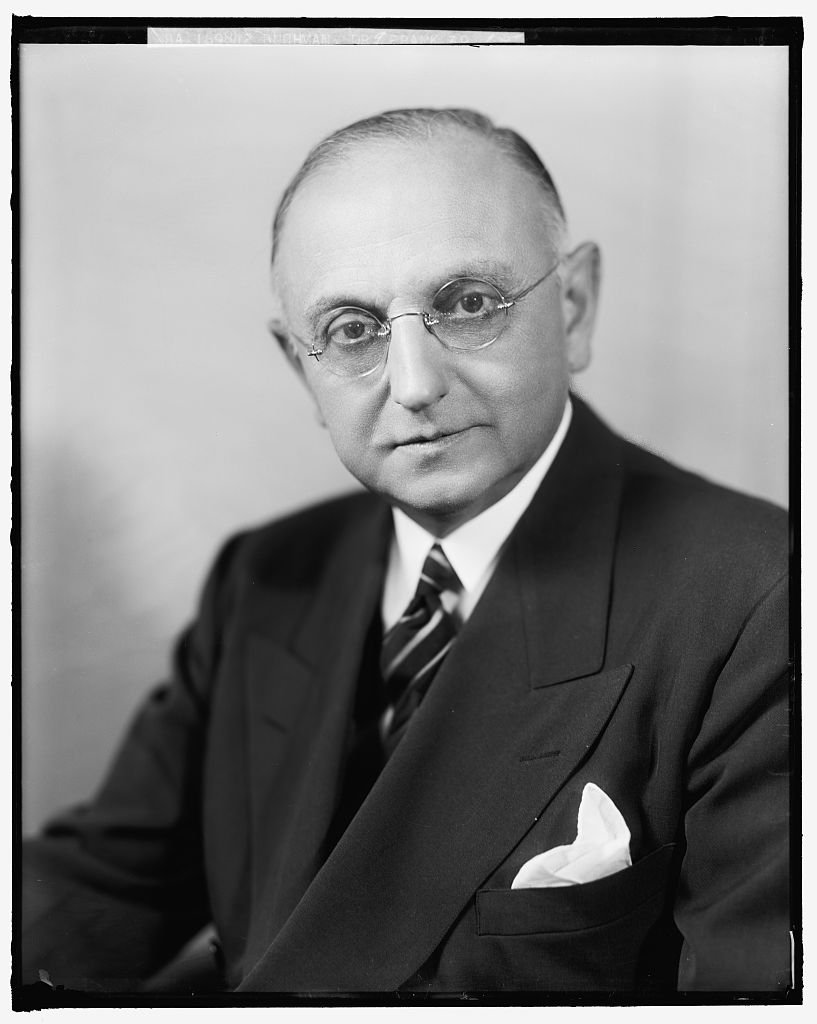
The Group went on as Moral Re-Armament. From 1946 its center was a near-derelict hotel at Caux, high above Lake Geneva, bought by Swiss supporters. Buchman died in 1961 at Freudenstadt, the Black Forest town where the phrase “moral and spiritual re-armament” had come to him in 1938, and was buried beside his parents in Allentown. Shoemaker died two years later. In 2001 Moral Re-Armament became Initiatives of Change; in Britain its charity is still, in law, the Oxford Group.
It’s July 1955, in the Kiel Auditorium in St. Louis. AA is twenty years old, and its members have come from all over to celebrate. On Sunday morning a clergyman most of them have never seen steps up to the lectern. Sam Shoemaker. Bill W. tells them that most of AA’s spiritual principles came through him.
Shoemaker remembers the Oxford Group in what he calls its earlier and better days. AA was wise, he says, not to become dogmatic, and to leave the theology to the churches.
The Group goes on without them, as Moral Re-Armament. Frank Buchman dies in 1961, in the Black Forest town where the idea first came to him. And the Group’s own practices go on too: sharing, surrender, restitution, quiet time. They live on in AA’s Twelve Steps, without the Group’s name on them.