“But trust him first. That is the big thing.”
Why, not how
In July 1955, at St. Louis, AA’s founders handed its services to the General Service Conference. (Legacy, in Rule 62, tells of the day.) The Conference’s charter, approved by the delegates that June, ended with six promises, its General Warranties. One was that no member of the Conference “shall ever be placed in a position of unqualified authority over any of the others.” Another, that the Conference would never become “the seat of perilous wealth or power.” (Go deeper sets out all six.)
The charter said who sat where. It said less about who decided what, and between the office, the trustees and the Conference there was what AA’s own guide to the Concepts later called “pulling and hauling,” with Bill himself sometimes part of it. At the close of the 1956 Conference he offered “four principles that might someday permeate all of A.A.’s services”: petition, appeal, participation and decision. The feature below follows them.
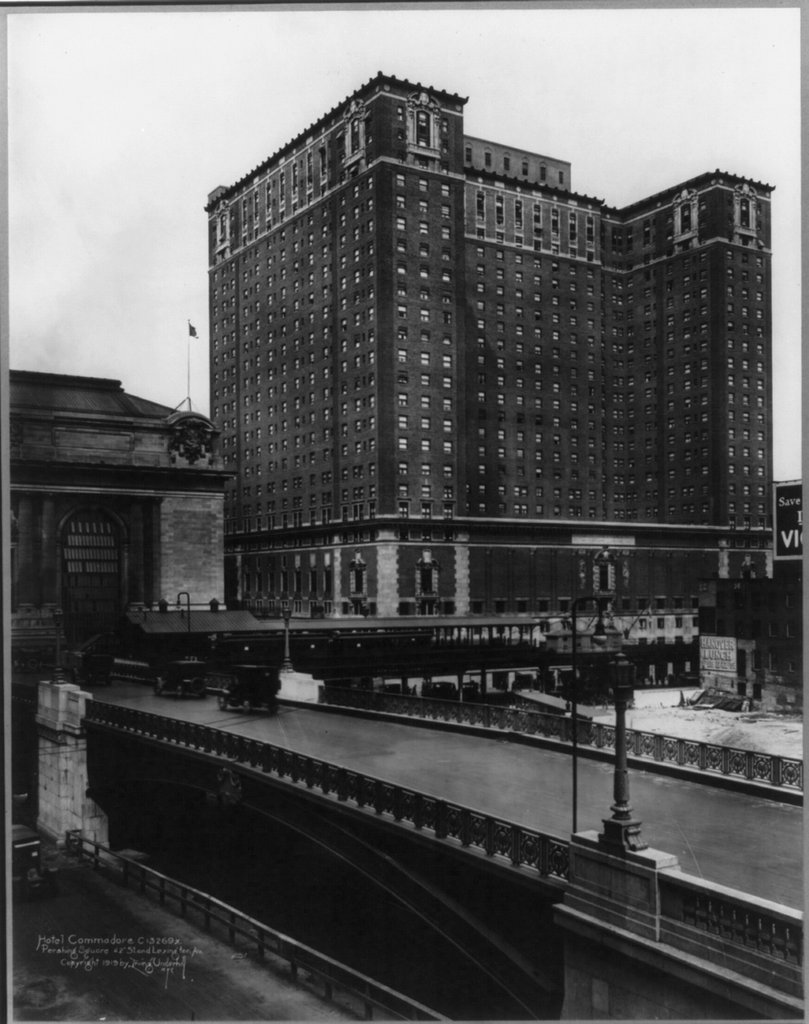
Then he started writing. At the close of the 1960 Conference, at the Hotel Roosevelt, he told the delegates what he had: something he called Twelve Concepts for World Service. Not “another batch of twelve principles or points, God forbid,” he said, but the ideas that already worked, put in order. The Third Legacy Manual, AA’s service handbook, told how; the Concepts would tell why. “This has been a three-year job.” Eleven of the twelve essays were done, and the last, on the Warranties, was still to come. If later changes worked out badly, he hoped the Concepts would be “a point of safe return.”
On April 26, 1962, again at the Roosevelt, the Conference “voted unanimously to accept Bill’s manuscript.” The same Conference voted 72 to 36 to keep the nonalcoholic majority on the board, which Bill had been trying for years to end. (Mr. Anonymous, in Number One Man, tells that fight.) His own recommendations were made available anyway, in a pamphlet at the office with the trustees’ comments, “in keeping with Concept V and the traditional responsibility of minority reports.” “My main service tasks are now complete,” he told the delegates, as Bob P.’s history quotes him. “The future belongs to you.”
It’s April 1960, at the Hotel Roosevelt in New York, at the close of AA’s General Service Conference. Bill W. tells the delegates he’s been working on something for three years. Not another batch of twelve principles, he says. God forbid. Twelve Concepts for World Service: the why of the way AA runs its services.
Give each part of the structure the right to decide what’s its to decide, he says, and trust it first. Give the people who do the work a vote too. And let the minority be heard, even a minority of one. If the majority is about to do something hasty that could hurt AA, speaking up isn’t just their right. It’s their duty.
Two years later the Conference accepts his manuscript, without a vote against it. At the same Conference it votes him down on the makeup of the board, seventy-two to thirty-six. His own recommendations are made available anyway, as a minority report. That’s in the Concepts too.