“Alcoholics may be led to believe in God, but none can be forced.”
Suggestions only
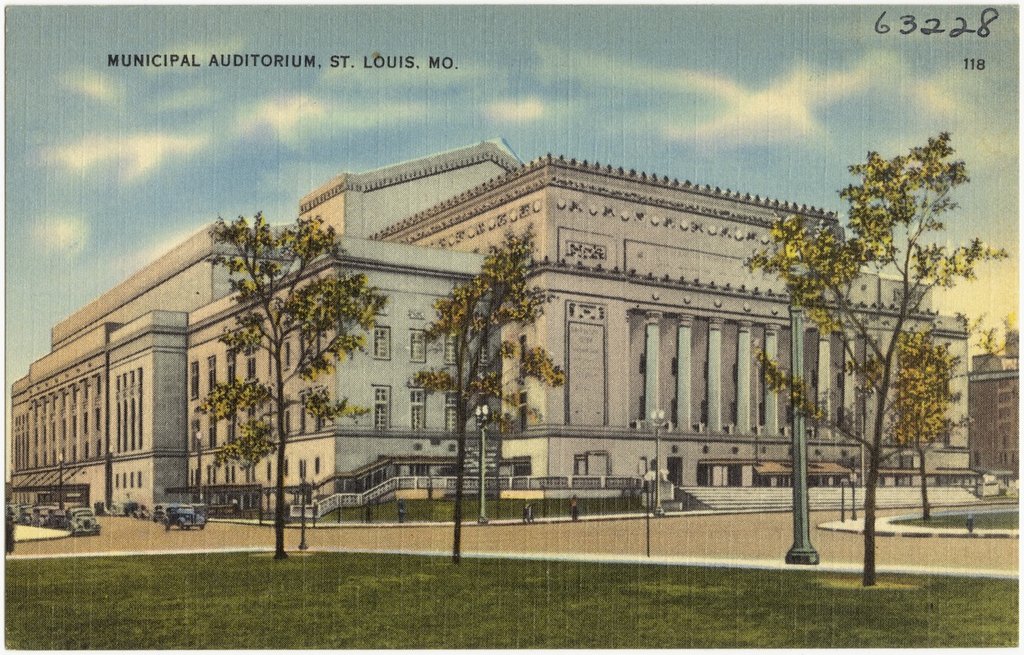
On the Saturday night of AA’s twentieth-anniversary convention in St. Louis, July 2, 1955, Bill W. told the hall about a letter from Thailand. A Presbyterian minister there had taken AA’s Twelve Steps “to the largest Buddhist monastery in this province” and shown them to the monk at its head. The monk liked them, but “it might be slightly more acceptable if you inserted the word ‘good’ in your Steps instead of ‘God.’” Then he answered himself: the Steps said God as you understand Him. “That clears up the point for us.”
Some members, Bill said, might hear “good” for “God” as a watering down. “But here we must remember that A.A.’s Steps are suggestions only.” Nobody had to believe in them as written to belong. The same year, the Big Book’s second edition said in its new foreword: “Alcoholics Anonymous is not a religious organization.” (Bill’s talks are known as they were printed in 1957, “edited and enlarged.”)
Bill kept coming back to it in the Grapevine. In April 1961 he wrote that in AA’s first years he had nearly ruined the whole thing with what he called unconscious arrogance: “God as I understood him had to be for everybody.” In May 1962 he wrote that it was “especially required of the atheist and agnostic that he become open-minded on the subject of God.” In July 1965, writing ahead of the convention at Toronto, he put it plainly: “We have atheists and agnostics.”
Groups for nonbelievers came later (The closing, in Keep Coming Back, tells of what is usually called the first, in Chicago in 1975). In May 2011 AA’s General Service Conference asked its trustees to keep developing literature with “stories from atheists and agnostics who are sober in Alcoholics Anonymous.” That same month, on May 31, the Intergroup in Toronto took two groups, Beyond Belief and We Agnostics, out of its meeting list. Beyond Belief had posted a version of the Steps without “God” on the Toronto website. “They’ve changed them to their own personal needs,” one member at the meeting told the Toronto Star. Beyond Belief’s own statement said alcoholics could get sober in AA “without having to accept anyone else’s beliefs, or having to deny their own.”
Larry K., who had helped start agnostic AA meetings around Toronto, took the matter to the Human Rights Tribunal of Ontario. In January 2017 the Intergroup, A.A. World Services and AA’s General Service Board settled with him. His legal clinic’s release said he and the Intergroup agreed: “All groups, regardless of their belief system form part of the A.A fellowship.” The Intergroup said the matter was “best left to the collective conscience of the AA members in the Greater Toronto Area.” The next year AA adopted a pamphlet of agnostic and atheist members’ stories, The “God” Word.
It’s July 1955, at AA’s convention in St. Louis. Bill W. tells the hall about a letter from a minister in Thailand, who took the Twelve Steps to a Buddhist monk. The monk liked them. It might be better, he said, to say good instead of God. But the Steps say God as you understand Him, and that, he said, cleared it up.
The Steps are suggestions only, Bill tells them. Nobody has to believe them as written to belong. But changes seldom last, and the original words usually win out.
For sixty years after that, the argument goes on. Bill writes that he once thought his own idea of God had to be for everybody. In 2011 two secular groups in Toronto are taken off their local meeting list. Six years later, after a human rights complaint, the local office settles, and agrees that every group belongs, whatever it believes. The next year, AA adopts a pamphlet of stories by agnostic and atheist members.