1894–1898
St. Johnsbury Academy
He rarely cracked a book, yet kept passing, even creditable grades. In his senior year he met Anne Ripley at a dance in the gym.
Good Oldtimers, pp. 15–16
St. Johnsbury to Chicago · 1879–1910
A judge’s son who swore off church became the college drinker who always got through.
“Never once in my life have I had a headache, which fact leads me to believe that I was an alcoholic almost from the start.”
Dr. Bob grew up in St. Johnsbury, Vermont, a town of about 7,000 where liquor was sold legally only at the state agency, and only to someone who could convince the agent he really needed it. His father was a probate judge who taught Sunday school for forty years. His mother was a stern churchgoer.
The boy was made to go to church, Sunday school, evening service, Christian Endeavor and prayer meeting. He resolved that when he was free, he “would never again darken the doors of a church,” and he kept that resolution for forty years. He was sent to bed at five o’clock every evening; once the coast was clear, he slipped out the back door. He was never caught.
His first drink came one summer day when he was just turning nine, at a neighbor’s farm where he was helping bale hay: a jug of hard cider a farmhand had hidden in the barn. He liked the taste. His own memories mention no more drinking for about ten years.
In his senior year at St. Johnsbury Academy, at a dance in the gym, he met Anne Ripley, a Wellesley student visiting a friend. Their courtship would last seventeen years.
At Dartmouth, drinking seemed to be the main activity outside class, and he set out to excel at it. He drank beer, played billiards and cards, and bounced back every morning better than his friends. He graduated in 1902, “‘summa cum laude’ in the eyes of the drinking fraternity,” as he put it.
Medical school came harder. The University of Michigan asked him to leave. At Rush Medical College in Chicago he handed in three blank exam books and had to stay two extra quarters, completely dry. He did, and became a doctor in 1910, at 31.
It’s the 1890s, in St. Johnsbury, Vermont. The judge’s son is sent to bed at five o’clock every evening. Once the house is quiet, he slips out the back door. He is never caught.
He is made to go to church, Sunday school, evening service and prayer meeting. He promises himself that once he’s free, he’ll never go again. He keeps that promise for forty years.
His first drink comes when he’s nearly nine, from a jug of hard cider hidden in a neighbor’s barn.
At Dartmouth he can outdrink his friends, and he never gets a headache. Later he said it made him believe he was an alcoholic almost from the start.
Medical school is harder. At his final exams in Chicago, his hand shakes so badly he can’t hold a pencil. He has to stay two more quarters, completely dry, to earn his degree.
He does. In 1910, at thirty-one, he is a doctor.
Four schools
In school after school he drank, got caught, made promises, and passed.
Dates and details from Dr. Bob and the Good Oldtimers and his own story in the Big Book.
1894–1898
He rarely cracked a book, yet kept passing, even creditable grades. In his senior year he met Anne Ripley at a dance in the gym.
Good Oldtimers, pp. 15–16
1898–1902
Beer, billiards and cards. His junior-year roommate had no memory of ever seeing him study, “although he was always up in his classes.” He graduated with the class of 1902.
Good Oldtimers, pp. 16–21
1905–1907
After three years in business he entered at 26 and joined a drinking society. The shakes turned him back at classroom doors. He passed his exams anyway, and was asked to leave.
Good Oldtimers, pp. 23–25; the Big Book
1907–1910
His fraternity brothers sent for his father, who always asked, “Well, what did this one cost you?” At finals he handed in three blank exam books. Two dry quarters later, he had his degree.
Then Akron: 2 · The hiding placesGood Oldtimers, pp. 25–26; the Big Book
The pattern
Good Oldtimers calls it the determination some alcoholics have “to work harder, longer, and better than everyone else—for a while.” In school it always worked. In Akron it would stop working.
For a closer look
Where the accounts disagree, and three stories from his early years.
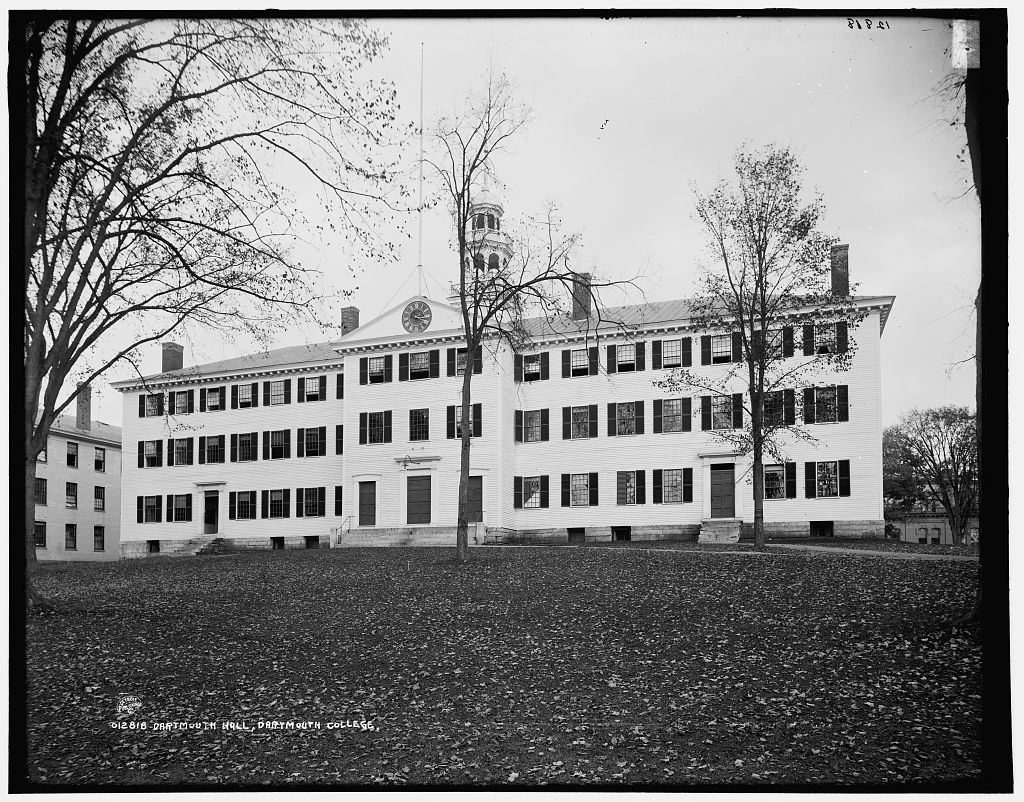
Bill W. thought not. In his 1957 history of AA he wrote that Dr. Bob “had busted out of Dartmouth College” because of drinking, and had interned in Chicago.
Dr. Bob said otherwise. His own story in the Big Book says he graduated, and Good Oldtimers agrees: he was class of 1902, and his class notes kept track of him for decades. In 1942 the class reporter wrote that he had helped rescue “over 8,000” drinkers, and closed, “1902 is proud of you, Bob.”
His internship was at City Hospital in Akron, not Chicago. Bill was writing from memory, more than fifty years after Dr. Bob’s college days.
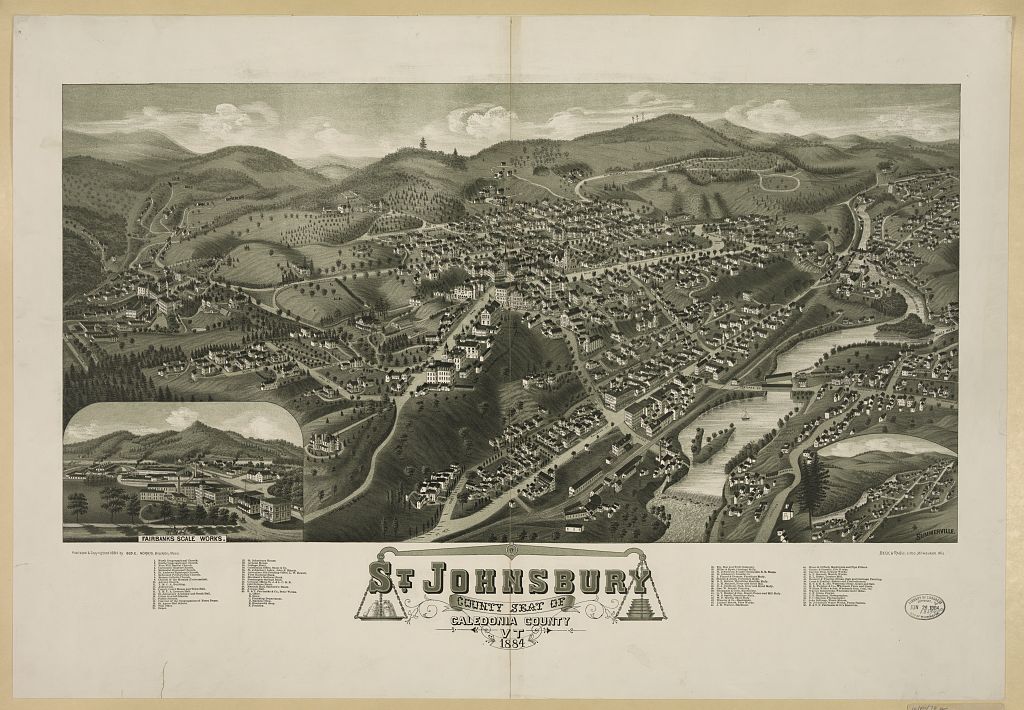
At ten he wrote to his much older foster sister, Amanda Northrup, who later taught history at Hunter College in New York. After a fishing trip he reported: “I have got the lizard in a pan of water and I expect to put him in alcohol.”
He never became much of a letter writer. Decades later, his letters to Bill W. were one-page notes, scrawled across the sheet.
His roommate, Dr. Philip P. Thompson, remembered the day Bob decided they should hop a freight train to Montpelier for Admiral Dewey’s homecoming reception. They arrived the next morning “covered with straw and somewhat disheveled,” and Bob decided they needed a few beers, though it was only around breakfast time.
Then they ran into a classmate whose father was governor of Vermont, and watched the parade from the State House with the governor himself.
Good Oldtimers points to the detail that mattered: the boy who sneaked a taste of hard cider had grown into a young man who thought “a few beers” at breakfast perfectly sensible.