Watch The Kitchen Table
Illustration · A kitchen counter at four in the morning, with tomato juice, sauerkraut, corn syrup, a big spoon and one bottle of beer. Not drawn from a photograph.

Atlantic City and Akron · June 1935

The last drink

Two weeks sober, he went to a medical convention and drank from the train onward. The bottle of beer Bill gave him before an operation was his last.

“I have placed both operation and myself in God’s hands.”

Dr. Bob, at four in the morning on the day of the operation, as Bill W. remembered it · Dr. Bob and the Good Oldtimers, 1980

The last binge

By the end of May 1935 Dr. Bob had been sober about two weeks, and Bill W. was living at 855 Ardmore. Then Dr. Bob announced he was going to the American Medical Association’s convention in Atlantic City. He hadn’t missed one in twenty years. “Oh, no!” said Anne. Bill was for it: alcoholics, he reasoned, had to learn to live in a world full of liquor.

He started drinking as soon as he boarded the train, and bought several quarts on his way to the hotel. That was Sunday night. On Monday he stayed sober until after dinner. By Tuesday noon he was well along, and “I did not want to disgrace myself,” he said, “so I then checked out.” He remembered waiting a long time for the train home, and nothing after that.

Bill and Anne heard nothing for days. Then his office nurse called: she and her husband had picked him up at the Akron railroad station and taken him to their house in Cuyahoga Falls. Bill brought him home, put him to bed in the corner room and took the other bed himself.

There was a problem. He was due to operate in three days. “If he was too drunk, he couldn’t do it,” Bill remembered. “And if he was too sober, he would be too jittery.” So they tapered him off with tomato juice, sauerkraut, Karo corn syrup and a little beer. Nobody slept much.

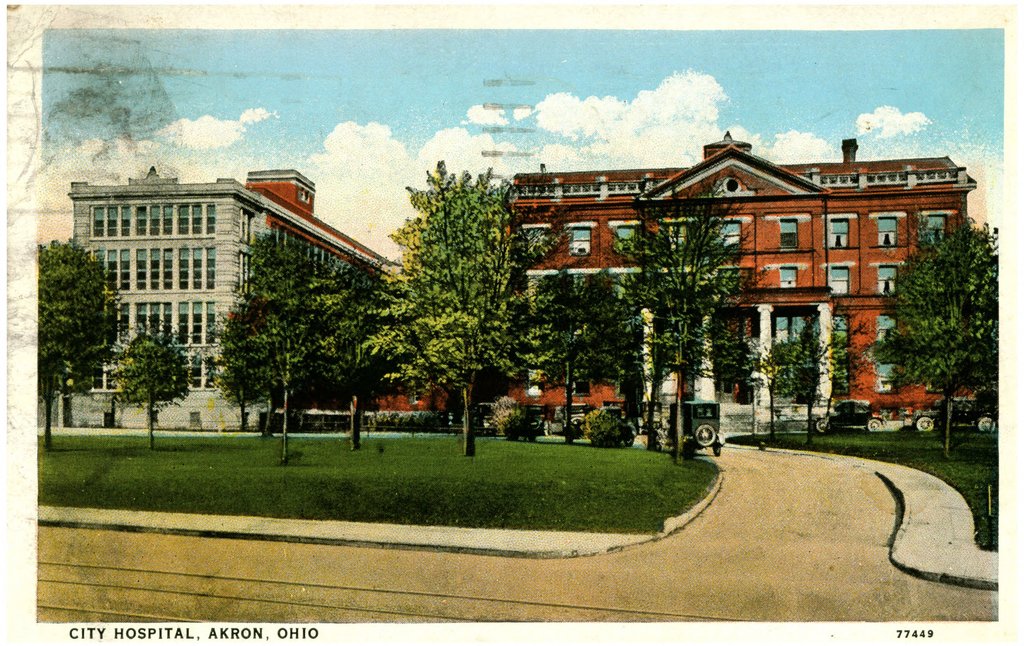
At four o’clock on the morning of the operation, he turned to Bill and said he was going through with it. At nine, shaking badly, he got dressed. On the way to City Hospital he kept holding out his hand to see whether the shakes had stopped, and just before they pulled up, Bill gave him a bottle of beer.

The operation went well. Then, instead of coming home, he spent the afternoon calling on creditors and people he had hurt, telling them what had been wrong. The bottle of beer that morning was the last drink he ever took. AA dates its beginning from that day, June 10, 1935.

Listen The last drink About 1 minute

June 1935

Which day?

AA dates Dr. Bob’s last drink to June 10, 1935. The convention he went to suggests it came about a week later.

The convention’s dates are from the AMA’s published minutes. The days of the week are from the AA accounts; the arithmetic is ours.

June 1935
SunMonTueWedThuFriSat
1
2345678
9Arrives10AA’s date11AMA session1213Nurse calls1415
16Surgery?17Or here?1819202122
23242526272829
30
  • Sunday, June 9

    He arrives in Atlantic City. Every account has him arriving on a Sunday and checking out on Tuesday.

  • June 10–14

    The AMA’s annual session in Atlantic City, by the dates in its published minutes.

  • Monday, June 10

    AA’s date for the last drink. By the convention’s dates, he was in Atlantic City that day, sober until after dinner.

  • Thursday, June 13

    His office nurse calls Bill and Anne, “five days from the time Bob left,” in Pass It On’s telling.

  • June 16 or 17

    The operation, three days of tapering off later, and with it the last beer.

Three tellings of the last drink

1939

Dr. Bob’s own account

Bill came and got him home, gave him a few drinks that night, “and one bottle of beer the next morning. That was June 10, 1935, and that was my last drink.” He doesn’t mention an operation.

Alcoholics Anonymous, “Doctor Bob’s Nightmare”

1957

Bill W.’s account

Three days of tapering off before an operation. At nine o’clock Bill and Anne drove him to the hospital, and Bill handed him a bottle of beer “to steady his nerves so he could hold the knife.” The date is the same: June 10.

AA Comes of Age

1984

Pass It On

The same taper and the same operation. Just before they stopped, Bill handed him “one goofball” and a single bottle of beer, to curb the shakes. A footnote explains that “goofball” was slang for a sedative. The date: June 10.

Then the work began: 6 · 855 Ardmore

Pass It On, p. 142

Either way

AA keeps June 10, the date Dr. Bob himself wrote down four years later. The calendar points to a week or so after. Whichever day it was, that bottle of beer was his last drink.

For a closer look

Go deeper

Where the date comes from, what they fed him, and what he did after the operation.

Why June 10?
A color postcard of City Hospital in Akron, showing its two large buildings.
City Hospital, Akron, on a postcard from 1935, the year of the operation.Columbus Metropolitan Library Digital Collections

The date comes from Dr. Bob himself. Writing his story for the Big Book in early 1939, he put it plainly: “That was June 10, 1935, and that was my last drink.” AA Comes of Age (1957) and Pass It On (1984) give the same date.

Good Oldtimers (1980) is the only one that hedges. Arguments “have been and will be made for other significant occasions,” it says, but “it is generally agreed” that AA began in Akron that day.

The AMA’s own minutes put its 1935 session in Atlantic City at June 10 to 14. If Dr. Bob arrived the Sunday before, the nurse’s call on Thursday and the three-day taper put the operation around June 17. Good Oldtimers and Pass It On say only that the convention began “the first week” of June.

Tomatoes, sauerkraut and Karo

The taper that got Dr. Bob through the operation became Akron’s treatment. Bill D., the first man they helped afterward, was put on sauerkraut and tomatoes in the hospital. “That’s all he was allowed to eat the whole time he was there,” his wife said.

“I can see Doc now with the tomatoes, sauerkraut, a can of Karo syrup, and a big spoon,” Ernie G. said years later. “The men got to where it almost gagged them, taking it straight.” Dr. Bob finally gave up on the sauerkraut, Ernie said, but kept up the tomatoes and corn syrup for years.

The theory was vitamins from the tomatoes and sauerkraut, and energy from the syrup. Dr. Bob’s later verdict: “dietary restrictions had very little to do with maintaining sobriety.”
The amends
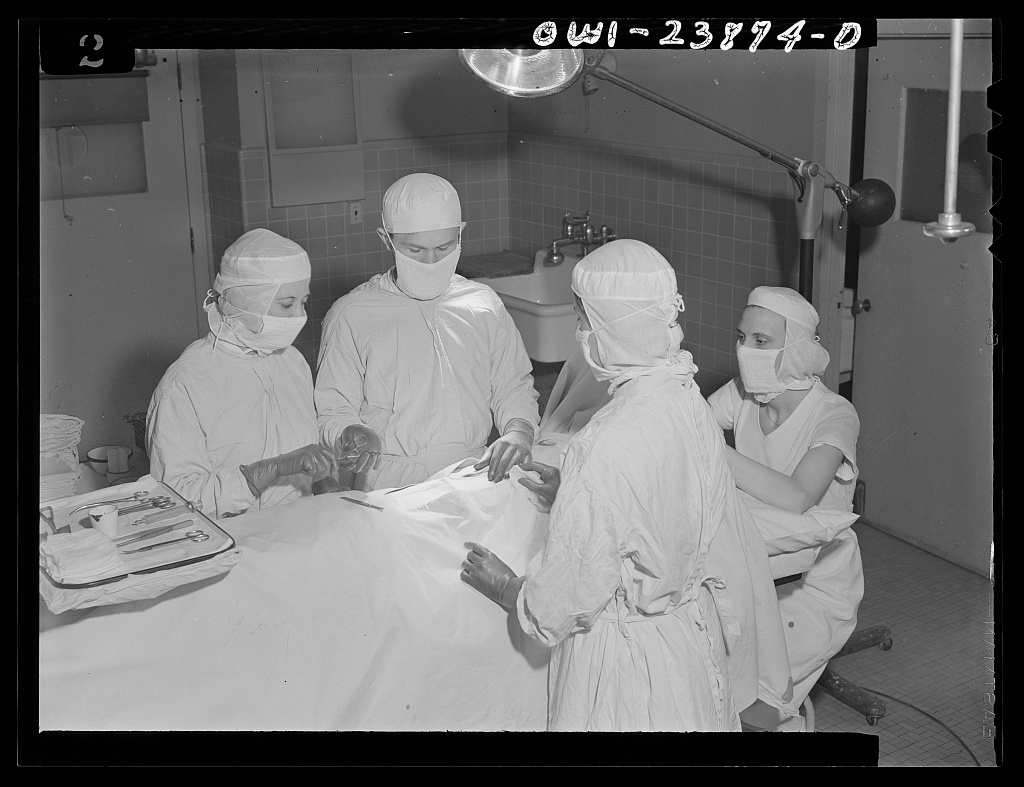
A black-and-white photograph of a surgeon at work in an operating room, with a student nurse handing him instruments.
An operating room in Washington, D.C., in May 1943: a student nurse hands instruments to a surgeon. It is not Dr. Bob or City Hospital.Photo: Ann Rosener, FSA/OWI Collection, Library of Congress

The operation went well, and Dr. Bob phoned to say so. Then hours went by. Bill and Anne could only wait, and wonder whether he had gone out to celebrate.

He had gone to see the people he had been hiding from: creditors, friends and acquaintances around Akron. He told them what his trouble had been. The Big Book tells it without naming him: “He trembled as he went about, for this might mean ruin, particularly to a person in his line of business.” At midnight he came home “exhausted, but very happy.”

Good Oldtimers points out that he began what is now AA’s Ninth Step, making amends, on the day of his last drink, years before anyone wrote the Steps down.

Sources