“After my flop following the initial spiritual lift and long sobriety I’ve never been able to regain the same feeling.”
Round and round
For more than two years after the kitchen table, Ebby stayed sober. He lived at the Calvary Mission, worked with the men there, and went to Oxford Group meetings at Calvary House and at Bill and Lois’s house on Clinton Street, where he moved in for the first of several times. In the summer of 1935 Rowland H. took him to his ranch in New Mexico. In the summer of 1936 he went home to Albany, and that November he got a job as an inspector at the Ford plant in Green Island, ten miles up the Hudson.
Late in April 1937, full of tension, he went down to New York to have dinner with a woman friend. She always had a drink when they dined, and this time he had one too. By midnight he was roaring drunk. “I fell off the wagon,” he said in 1954. “That was after two years and approximately seven months of sobriety.” Back in Albany, “the old merry-go-round started.” Soon he lost the Ford job.
Late that year Bill and Dr. Bob counted about forty alcoholics staying sober in New York and Akron. “Despite the fact that Ebby had slipped,” Bill wrote, “a benign chain reaction… had started outward from Dr. Bob and me.”
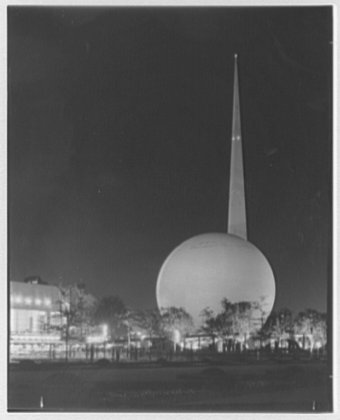
From then on he went wherever friends could take him in. He spent the summer of 1938 with Fitz M.’s family in Maryland, and two winters at the Keswick Colony of Mercy, a religious home for drunkards in New Jersey. Through a brother’s connections he got a job at the 1939 World’s Fair. Lois thought he was sober that summer. He wasn’t: “with so many people there, and crowds, I wasn’t noticed much.”
In June 1940 he tried Philadelphia. He arrived about ten in the morning, and by noon he was on his way to another drunk. The AA members there got him into the psychiatric ward at Philadelphia General Hospital. Then came a mission, a porter’s job in a hospital laboratory and, after Pearl Harbor, a post as a Navy inspector at a plant making torpedo parts. He stayed sober for a year or more. When he began drinking again, the Navy sent two men to tell him, “Get yourself a good drunk and get it over with. We know your record, you haven’t had a drink.” He couldn’t, and they let him go “without prejudice.” After that, he said, “I’d have a couple of months on the wagon and six months off.”
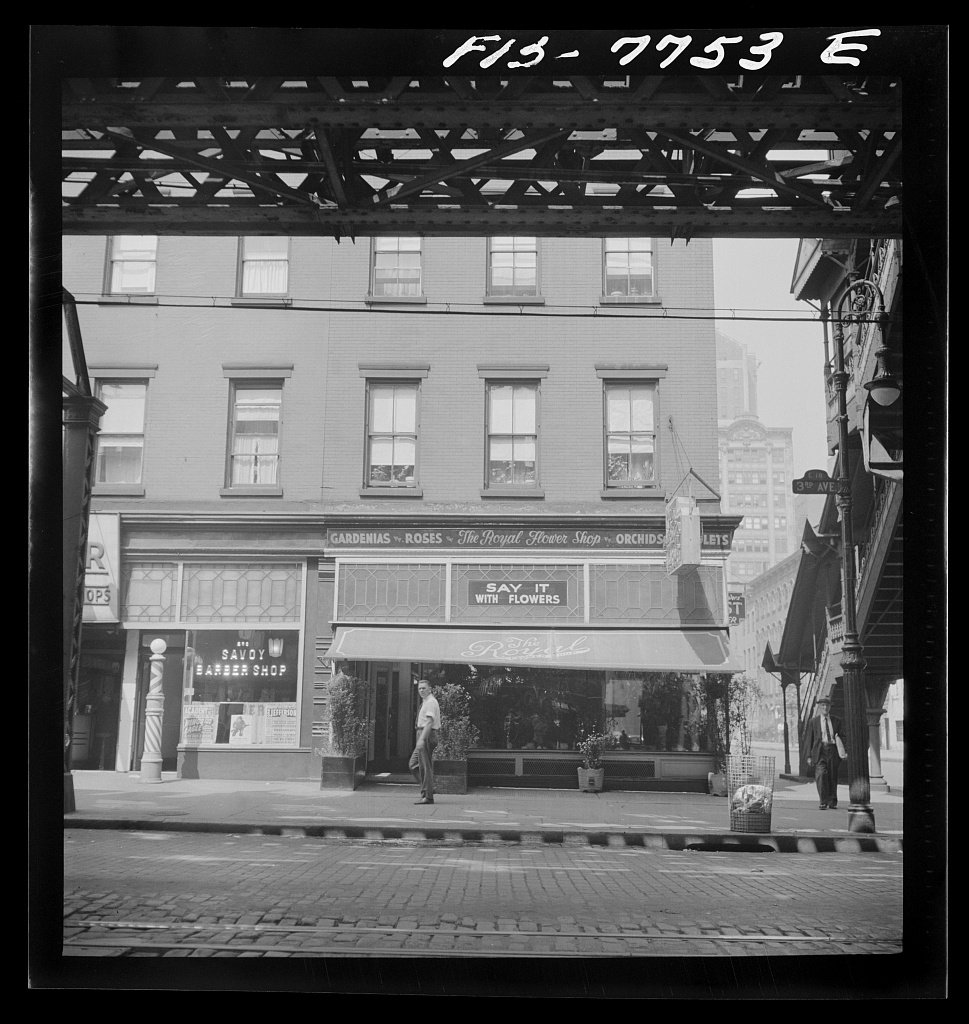
In the fall of 1945 he came back to New York and moved in with Bill and Lois, who lived in Bedford Hills by then. For a time he worked in the Grapevine’s circulation department. Then came High Watch Farm in Connecticut, Beech Hill in New Hampshire, a farm in Katonah, an orderly’s job at a mental hospital in Rye, and Manhattan again, “right on the old Third Avenue pattern.” On nights with nowhere to sleep, he walked from Fourteenth Street to Seventy-Second and back, three or four times over.
Bill never stopped trying. In 1948 he wrote to one of Ebby’s brothers: “Considering what he did for me years ago, it’s a heartbreaking situation, for which I seem to have no answer at all.”
Albany, April 1937. Ebby T. has been sober for two years and seven months. He sat at Bill W.’s kitchen table, and he has watched a fellowship begin to grow from it.
Then he goes down to New York for dinner with a woman friend. She has a drink, and so does he. By midnight he is roaring drunk.
He called what came next the old merry-go-round. A summer in Maryland. Two winters at a mission farm in New Jersey. The World’s Fair, Philadelphia, a year with the Navy, High Watch, Beech Hill, a city lodging house in Manhattan. A few months sober, then down again.
Friends take him in, again and again, and Bill most of all. But nothing brings back the feeling he had in the summer of 1934.
In September 1953, in a New York bar, a man asks him a question. How would you like to go to Texas?