“Think of it — selfishness, pride, ill-will; and I called myself a Christian…”
Six men in Philadelphia
Frank Buchman was born in 1878 in Pennsburg, Pennsylvania, above his father’s general store, and grew up in Allentown. He was ordained a Lutheran minister in 1902 and started a new church in Overbrook, a growing suburb of Philadelphia. In 1904 he founded a hospice there for young men living away from home, on a pattern he had seen in Europe, and the next year its Board opened a house in the city, with Buchman as its housefather at $600 a year.
The hospice didn’t pay its way. The Board’s chairman, Dr. J. F. Ohl, kept up a stream of criticism, the cooking was called extravagant, and after a committee was set up in 1906 to cut expenses the food got worse. In the autumn of 1907 Buchman made it a matter of confidence. The Board’s six members insisted that the hospice pay for itself, and on October 24 they accepted his resignation. “I feel like a whipped cur, all tired out,” he wrote home.
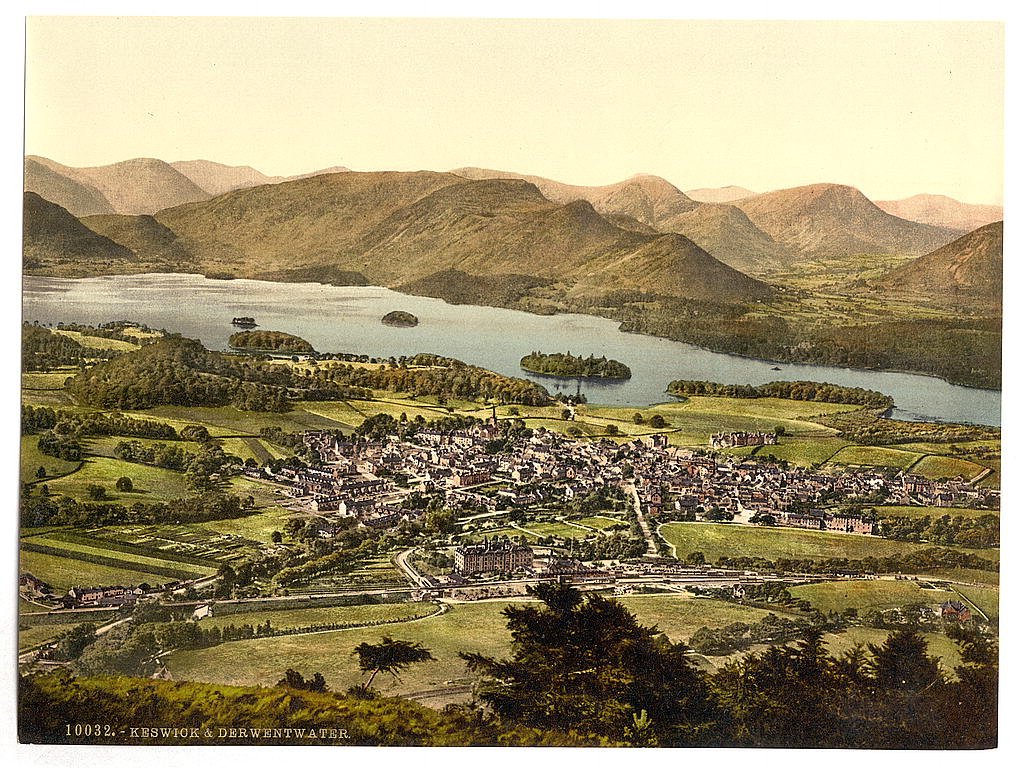
He felt he had all but been dismissed, and he came to hate the men who had done it. Worn out, he was sent abroad on his doctor’s orders in January 1908, and on the Mediterranean he swore he would never forgive them. By July he was in England, at the Keswick Convention, a yearly gathering of evangelical Christians in the Lake District, hoping to hear a preacher he admired, F. B. Meyer. Meyer wasn’t there.
One Sunday Buchman walked into a little stone chapel where a woman was preaching about the Cross to seventeen people. He thought, he said later, of “those six men back in Philadelphia who I felt had wronged me,” and of his own pride and ill will. “My work had become my idol.” He felt, he told Begbie, as if a current of life had been poured into him.
Back at the house where he was staying, he wrote to each of the six, asking their forgiveness, with a verse of the hymn “When I Survey the Wondrous Cross” on every letter. At tea he told what had happened, and a Cambridge undergraduate asked to talk with him. They walked around Derwentwater, the lake below the town, and the young man changed too. “That was the first man that I ever brought face to face with the central experience of Christianity,” Buchman said.
None of the six wrote back, he used to say. The chairman had a reason: the letter, he noted on the back of it, gave no address. Buchman went home, and in January 1909 he started over as the YMCA secretary at Penn State.
It’s a Sunday in July 1908, at Keswick, in the English Lake District. Frank Buchman, a Lutheran minister from Pennsylvania, is thirty and miserable. Back in Philadelphia he ran a hospice for young men until its board, six men, forced him out in a fight over money. He has hated them ever since.
He has come to a religious convention here, but today he wanders into a small stone chapel where a woman is preaching about the Cross to seventeen people. Sitting there, he sees his own pride and ill will, and the six men.
He goes back to the house where he’s staying and writes to each of them, asking their forgiveness, with a verse of a hymn on every letter. That afternoon a young man from Cambridge asks to talk with him, and they walk around the lake. The movement AA will grow up in has just begun, with an apology.