“I had a shoe in my hand, and before I knew what was happening, I had thrown it at him and said, ‘Damn your old meetings!’”
Seventeen years
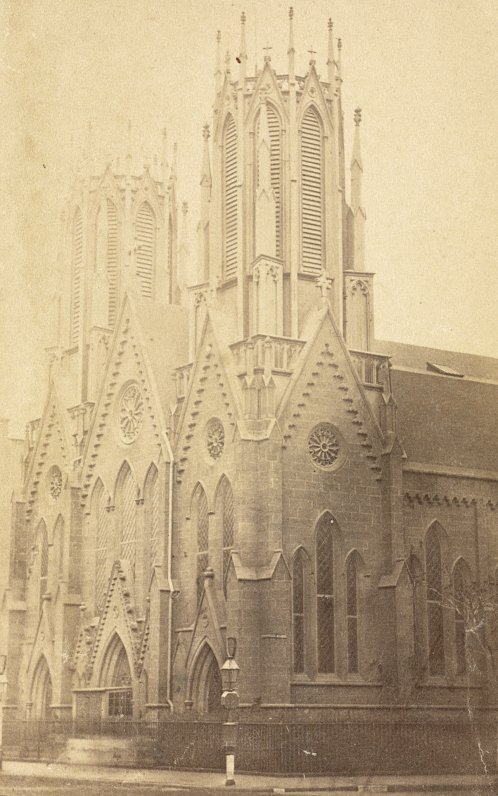
Bill W. came home from Towns Hospital in December 1934 sober, and full of plans to help other alcoholics, perhaps all the drunks in the world. Lois W. went along with the idea, she wrote, “enthusiastically.” On Sunday afternoons they went to the Oxford Group’s meetings at Calvary Church on Fourth Avenue in Manhattan. The Oxford Group was a Christian movement whose members tried to live by absolute honesty, purity, unselfishness and love. Lois was grateful to it, but she felt no need of its teachings herself. Her only problem had been Bill’s drinking, and that was being solved.
Bill brought his drunks home to 182 Clinton Street in Brooklyn Heights, the house where she had grown up. Some of them stayed for as long as a year, rent-free. She went on working at Loeser’s, a Brooklyn department store, where she had started at $19 a week plus commission, and she did most of the cooking. In the spring of 1935 Bill went to Akron on a business deal and stayed most of the summer. There he met Dr. Bob S., and AA began. “I nagged and nagged him to return,” she wrote.
Her dreams of Bill sober had come true, and she wouldn’t let herself see that she was less happy than she ought to be. They were seldom alone together. There was no time for weekends outdoors. “I felt left out and unneeded.” She went to the meetings with him, she wrote, because that was what a devoted wife should do, not because she needed them.
Then one Sunday Bill said they would have to hurry or they’d be late for the Oxford Group meeting. She had a shoe in her hand, and before she knew it she had thrown it at him. “Damn your old meetings!” It surprised her more than it did him. Why now, she wondered on the way to the meeting, when everything was fine? There a friend helped her see that she had never relied wholly on God. She had been trying to do it all by herself.
Looking back, she saw a girl who had daydreamed of reforming a burglar by the power of her personality, and a wife who had believed for seventeen years that she could inspire her husband to stop drinking. Before her operations she used to tell herself, “I am the captain of my soul,” with God as her lieutenant. Now God, through the Oxford Group, had done in a twinkling what she couldn’t. She had lost the roles his drinking gave her, and she was jealous of his new friends.
From that day on, she took a daily inventory of her own. For a while, by her own account, she became “quite pious.” Later, traveling with Bill to start new groups, she told gatherings of wives about her own need for spiritual growth, and Anne S., Dr. Bob’s wife, and other wives did the same. Here and there the families of AA members began to meet in groups of their own, with no clear purpose yet.
It’s a Sunday in Brooklyn, in the mid-1930s. For seventeen years Lois W. tried to get her husband to stop drinking. Now Bill W. is sober, and somebody else did it.
The house is full of drunks he is trying to help. For more than a year she worked at a department store, and cooked for them all. She goes to his Oxford Group meetings for his sake. She doesn’t think she needs them.
Today Bill says they’ll have to hurry, or they’ll be late. She has a shoe in her hand. Before she knows it, she has thrown it at him. Damn your old meetings!
It surprises her more than it does him. Why now, when everything is fine? At the meeting, a friend helps her see. She has never relied wholly on God. She has tried to do it all herself.
From that day on, she takes her own inventory, every day.