Who’s who
The people in these histories: who each one was, and where to read about them.
Tap a name to see who someone was and every part of the site they turn up in. In the deep dives, a name with a dotted underline opens the same card without leaving the page.
Following AA custom, members are named by first name and last initial. People who weren’t alcoholics are named in full.
The founders and their families
The two men who started AA in 1935, and the wives who lived through it with them.
Bill W.Co-founder of AA · 1895–1971
A Vermont-born Wall Street man who lost his paper fortune in the 1929 crash, he was sober from December 1934 until he died. He started AA with Dr. Bob S. in Akron in 1935, wrote most of the Big Book, and in 1955 handed AA over to its members.
Meet BillNumber One ManAlso in
- I Just Work HereEntrance, 1 · Summa cum laude, 3 · Secret drinker, 4 · The gate lodge, 5 · The last drink, 6 · 855 Ardmore, 7 · The flower room
- Captain of My SoulEntrance, 4 · Damn your old meetings, 7 · Learning not to hate
- Call Me AnneEntrance, 1 · On a scholarship, 2 · Christmas money, 3 · Quiet time, 4 · Bob is on the floor, 5 · Tuna fish sandwiches, 6 · Every single morning, Legacy
- My Sponsor, EbbyEntrance, 1 · The first deceit, 3 · The ale in the cellar, 4 · Ten cents, 6 · Who wants to go to Texas?, Legacy
- Court of Last ResortEntrance, 2 · The dope for me, 5 · The pint in the bushes, 6 · Honesty with yourself, 7 · Fifty times, Legacy
- The Little DoctorEntrance, 1 · Inebriate ward, 2 · Towns Hospital, 3 · The Bedside, 4 · Stop preaching, 5 · The papers, 6 · The Doctor’s Opinion, 7 · Duffy’s Tavern, Legacy
- Your Size in PajamasEntrance, 1 · Lessons at home, 2 · A live Sister, 3 · May I have a bed?, 4 · Terrible indigestion, 5 · The man you married, 6 · No professional job, 7 · Eternity is now, Legacy
- Some Bum from St. LouisEntrance, 3 · Come and get it, 4 · A sense of presence, 5 · Couples are not alone, 6 · Stuff of the saints, 7 · Backing away from hell, Legacy
- People Like YouEntrance, 4 · The red manuscript, 5 · Women aren’t alcoholics, 6 · Something useful, 7 · Built-in forgetters, Legacy
- Keep Coming BackEntrance, 1 · The Serenity Prayer, 2 · The Preamble, 3 · How It Works, 4 · First names only, 5 · The basket, 6 · The chips, 7 · The closing, Legacy
- By the CarloadEntrance, 1 · The barest majority, 2 · Par value $25, 3 · To Wives, 4 · Who were we to edit?, 5 · Loan copy, 6 · Shoot what?, 7 · Twelve postcards, Legacy
- Rule 62Entrance, 1 · The Washingtonians, 2 · A mile long, 3 · What’s the angle?, 4 · Middleton Group #1, 5 · Twelve Points, 6 · The short form, 7 · A standing vote, Legacy
- Jittery and Alone1 · Lone Endeavor, 2 · No form letters, 3 · Inside the walls, 4 · Ink-stained wretches, 5 · A loner at sea, 6 · Bulletin boards, 7 · Can you hear me?
- Suggestions OnlyEntrance, 1 · Your second Bible, 2 · Four nights, 3 · Pocket cards, 4 · Wit’s End, 5 · Problems other than alcohol, 6 · Make your bed, 7 · Good for God, Legacy
- You Had to Be SponsoredEntrance, 1 · Working with Others, 2 · You had to be sponsored, 3 · Visiting hours, 5 · Pigeons, 6 · The sponsor of my sponsor, 7 · Questions and answers, Legacy
- The Only RequirementEntrance, 1 · Two dollars a night, 2 · Under thirty-five, 3 · Overseas, 4 · En español, 5 · Don’t drink the coffee, 6 · Double stigma, Legacy
- What Not to DoEntrance, 1 · Keswick, 2 · Soul surgery, 3 · Calvary House, 4 · Ten days in Akron, 5 · Stockbridge, 6 · Team guidance, 7 · Moral Re-Armament, Legacy
- Trusted ServantsEntrance, 1 · Class A and Class B, 2 · A committee of seven, 3 · Box 459, 4 · Book money, 5 · Panel Two, 6 · The right of decision, 7 · The old files, Legacy
- A Bunch of ActorsEntrance, 1 · Six articles, 2 · A bunch of actors, 3 · On the air, 4 · Outsiders can understand us, 5 · Masks, 7 · My Name Is Bill W., Legacy
- An Illness of This SortEntrance, 2 · A far safer term, 4 · A major medical problem, 6 · Normal drinking
- The Educational VarietyEntrance, 1 · The book Ebby brought, 2 · Hot flash, 3 · Having had a spiritual experience, 4 · The educational variety, 5 · Not conscious of ever having had one, 6 · Beyond the 4th Dimension, 7 · Spiritus contra spiritum, Legacy
- A Family Disease1 · Before the name, 3 · The first Conference
Dr. Bob S.Co-founder of AA · 1879–1950
A surgeon in Akron, Ohio, and a secret drinker, he met Bill W. in May 1935 and within weeks had his last drink, the day AA dates its founding from. With Sister Ignatia at St. Thomas Hospital he cared for thousands of alcoholics.
Meet Dr. BobI Just Work HereAlso in
- Number One ManEntrance, 4 · The voice on the subway, 5 · About fifty homes, 6 · The quarter mile
- Captain of My Soul4 · Damn your old meetings, 5 · Stepping Stones, 6 · The Clearing House
- Call Me AnneEntrance, 1 · On a scholarship, 2 · Christmas money, 3 · Quiet time, 4 · Bob is on the floor, 5 · Tuna fish sandwiches, 6 · Every single morning, 7 · The women decided it, Legacy
- My Sponsor, EbbyEntrance, 5 · The merry-go-round, Legacy
- Court of Last Resort7 · Fifty times, Legacy
- The Little Doctor4 · Stop preaching, 7 · Duffy’s Tavern
- Your Size in PajamasEntrance, 1 · Lessons at home, 2 · A live Sister, 3 · May I have a bed?, 4 · Terrible indigestion, 5 · The man you married, 6 · No professional job, 7 · Eternity is now, Legacy
- Some Bum from St. Louis3 · Come and get it, 6 · Stuff of the saints
- People Like You5 · Women aren’t alcoholics, 6 · Something useful
- Keep Coming BackEntrance, 3 · How It Works, 4 · First names only, 5 · The basket, 6 · The chips, 7 · The closing, Legacy
- By the CarloadEntrance, 1 · The barest majority, 2 · Par value $25, 3 · To Wives, 4 · Who were we to edit?, 7 · Twelve postcards, Legacy
- Rule 62Entrance, 1 · The Washingtonians, 2 · A mile long, 5 · Twelve Points, 6 · The short form, 7 · A standing vote
- Jittery and Alone7 · Can you hear me?
- Suggestions Only1 · Your second Bible, 3 · Pocket cards, 4 · Wit’s End, Legacy
- You Had to Be SponsoredEntrance, 1 · Working with Others, 3 · Visiting hours, 4 · Full responsibility, 5 · Pigeons, 6 · The sponsor of my sponsor, Legacy
- The Only Requirement4 · En español, 5 · Don’t drink the coffee, 6 · Double stigma
- What Not to DoEntrance, 2 · Soul surgery, 4 · Ten days in Akron, 6 · Team guidance, 7 · Moral Re-Armament, Legacy
- Trusted Servants1 · Class A and Class B, 4 · Book money, 7 · The old files
- A Bunch of ActorsEntrance, 2 · A bunch of actors, 5 · Masks, 7 · My Name Is Bill W.
- The Educational Variety3 · Having had a spiritual experience
Lois W.Bill W.’s wife, who helped start Al-Anon · 1891–1988
She married Bill W. in 1918 and spent seventeen years trying to keep him from drinking, then found she needed the program too. In 1951 she and Anne B. opened an office for the family groups, which chose the name Al-Anon early the next year.
Meet LoisCaptain of My SoulAlso in
- Number One ManEntrance, 2 · The Bronx cocktail, 3 · The family Bible, 4 · The voice on the subway, 5 · About fifty homes, 6 · The quarter mile, 7 · Mr. Anonymous, Legacy
- I Just Work Here4 · The gate lodge
- Call Me AnneEntrance, 2 · Christmas money, 4 · Bob is on the floor, 5 · Tuna fish sandwiches, 6 · Every single morning, 7 · The women decided it, Legacy
- My Sponsor, Ebby1 · The first deceit, 2 · Exile, 4 · Ten cents, 5 · The merry-go-round, 6 · Who wants to go to Texas?, 7 · Peaceable Street, Legacy
- Court of Last Resort6 · Honesty with yourself, 7 · Fifty times
- The Little Doctor2 · Towns Hospital, 3 · The Bedside, 4 · Stop preaching
- Your Size in Pajamas4 · Terrible indigestion, 7 · Eternity is now
- Some Bum from St. Louis3 · Come and get it, 4 · A sense of presence, 5 · Couples are not alone, 6 · Stuff of the saints
- People Like You4 · The red manuscript, 5 · Women aren’t alcoholics, 6 · Something useful, 7 · Built-in forgetters
- Keep Coming Back3 · How It Works, 5 · The basket, Legacy
- By the CarloadEntrance, 1 · The barest majority, 2 · Par value $25, 3 · To Wives, 4 · Who were we to edit?, 5 · Loan copy, 6 · Shoot what?, 7 · Twelve postcards, Legacy
- Rule 623 · What’s the angle?, 4 · Middleton Group #1, 5 · Twelve Points, 6 · The short form, 7 · A standing vote, Legacy
- Jittery and Alone1 · Lone Endeavor, 2 · No form letters, 3 · Inside the walls, 4 · Ink-stained wretches
- Suggestions Only4 · Wit’s End
- You Had to Be Sponsored1 · Working with Others
- The Only Requirement3 · Overseas
- What Not to Do4 · Ten days in Akron, 5 · Stockbridge, 6 · Team guidance, 7 · Moral Re-Armament
- Trusted Servants6 · The right of decision, 7 · The old files, Legacy
- A Bunch of Actors1 · Six articles, 2 · A bunch of actors, 4 · Outsiders can understand us, 7 · My Name Is Bill W.
- An Illness of This Sort2 · A far safer term
- A Family DiseaseEntrance, 1 · Before the name, 2 · A fellowship of its own, 3 · The first Conference, 4 · A merry-go-round named denial, 6 · A place to call our own, Legacy
Anne S.Dr. Bob S.’s wife, the mother of AA’s first group · 1881–1949
Born in Illinois in 1881, she came from Oak Park, outside Chicago. She married Dr. Bob in 1915 and in 1933 got him to try the Oxford Group. In 1935 she took Bill W. into their house at 855 Ardmore Avenue, then a long line of drunks and their families, and Bill called her the mother of AA’s first group. With Lois W. she later urged the Steps on members’ families.
Meet AnneCall Me AnneAlso in
- I Just Work HereEntrance, 1 · Summa cum laude, 2 · The hiding places, 3 · Secret drinker, 4 · The gate lodge, 5 · The last drink, 6 · 855 Ardmore, 7 · The flower room, Legacy
- Captain of My Soul4 · Damn your old meetings, 5 · Stepping Stones, 6 · The Clearing House
- Your Size in Pajamas5 · The man you married
- Keep Coming BackEntrance, 3 · How It Works, Legacy
- By the Carload3 · To Wives, 7 · Twelve postcards
- What Not to Do4 · Ten days in Akron
SmittyDr. Bob S. and Anne S.’s son · born 1918
Robert, called Smitty, was born in 1918, the year his father started drinking again. In the 1950s he talked with Bill W. about the drinking years at 855 Ardmore Avenue, and his memories of his parents run all through AA’s history of Akron.
Appears in
- I Just Work Here2 · The hiding places
- Call Me AnneEntrance, 1 · On a scholarship, 2 · Christmas money, 4 · Bob is on the floor, 5 · Tuna fish sandwiches, 7 · The women decided it, Legacy
- Your Size in Pajamas1 · Lessons at home
- You Had to Be Sponsored5 · Pigeons
SueDr. Bob S. and Anne S.’s daughter
Adopted at five, in 1923, she learned in high school why her father kept going to the cellar, and felt caught between her parents. She gave up her room to a drunk’s family in 1935, typed some of the Big Book’s stories for practice, and typed much of her mother’s notebook. She later talked with Bill W. about the early years.
Appears in
- I Just Work Here2 · The hiding places, 4 · The gate lodge, 6 · 855 Ardmore
- Call Me AnneEntrance, 1 · On a scholarship, 2 · Christmas money, 3 · Quiet time, 5 · Tuna fish sandwiches, 7 · The women decided it, Legacy
- People Like You5 · Women aren’t alcoholics
- By the Carload4 · Who were we to edit?
Alcoholics and their families
The early members, the drinkers who reached them, and the families who lived with them.
Alice B.Chaired Al-Anon’s Literature Committee
She chaired Al-Anon’s Literature Committee in the 1960s and 1970s and, with six delegates on it, spent more than two years reading and editing the fellowship’s first daily reader, One Day at a Time in Al-Anon, which came out in 1968.
Appears in
- A Family Disease3 · The first Conference, 4 · A merry-go-round named denial
Anne B.Lois W.’s friend and Al-Anon cofounder
A close friend of Lois W. who lived near Stepping Stones, Lois and Bill’s home, she had started a family group in Westchester County. In 1951 she and Lois opened an office for the family groups, which early the next year chose the name Al-Anon.
Appears in
- Captain of My SoulEntrance, 6 · The Clearing House
- Call Me AnneLegacy
- By the Carload3 · To Wives
- A Family DiseaseEntrance, 2 · A fellowship of its own, 4 · A merry-go-round named denial, 6 · A place to call our own, Legacy
Archie T.Detroit member who lived with Dr. Bob and Anne
He came to Akron from Detroit in 1938, too frail and broke to work, and lived with Dr. Bob S. and Anne S. for ten months. He went home sober and started AA in Detroit, and at his tenth anniversary there in 1948 he introduced Anne to 1,500 people.
Appears in
- I Just Work Here6 · 855 Ardmore
- Call Me AnneEntrance, 6 · Every single morning, 7 · The women decided it
Bayard P.Advertising man who asked what the public thought of AA
An advertising executive on AA’s public information committee, he led volunteers who telephoned people at night in the late 1960s to learn what they thought of AA. Most thought well of it, but few knew a member, and he argued that members should make themselves known in private.
Appears in
- A Bunch of Actors6 · In shadow
Bill D.AA number three, an Akron lawyer
Strapped to a bed in Akron’s City Hospital in June 1935, he was the first man Bill W. and Dr. Bob S. helped to stay sober. At first against the Traditions and the new conference of delegates, he became Ohio’s first delegate in 1951.
Appears in
- I Just Work Here5 · The last drink, 6 · 855 Ardmore
- Call Me Anne6 · Every single morning
- Keep Coming Back7 · The closing
- Rule 627 · A standing vote
- You Had to Be SponsoredEntrance, 1 · Working with Others
Bill V. H.Early Akron member
The police brought him into St. Thomas Hospital in the 1930s, and in 1954 he talked about Sister Ignatia in a recorded interview with Bill W. After Dr. Bob S. and Anne S. died, he said, he hated going to the King School meeting.
Appears in
- I Just Work HereLegacy
- Your Size in Pajamas1 · Lessons at home, 3 · May I have a bed?
Bob E.Akron member from 1937
He remembered going over the Big Book’s rough drafts with Dr. Bob S., the phrases Anne S. gave him to repeat when he felt low, and the split with the Oxford Group in 1939, which he said the women decided.
Appears in
- Call Me Anne6 · Every single morning, 7 · The women decided it
- People Like You5 · Women aren’t alcoholics
- By the Carload4 · Who were we to edit?
Bobbie B.Secretary of AA’s office in New York from 1942
She took Ruth Hock’s place at AA’s office in New York in 1942, the first alcoholic to hold the job. In October 1944 she wrote that the office had no Black group to send anyone to, “and the problem is popping up more and more every day.”
Appears in
- By the CarloadLegacy
- Rule 622 · A mile long
- The Only Requirement1 · Two dollars a night
- Trusted Servants3 · Box 459
Cebra G.Ebby T.’s friend in the Oxford Group
A young Bennington lawyer, he joined the Oxford Group in the summer of 1934 after Rowland H. picked him up on the road. With Shep C. he called on Ebby T., an old friend from Manchester summers, and Ebby was later brought before Cebra’s father in court.
Appears in
- My Sponsor, Ebby3 · The ale in the cellar, 6 · Who wants to go to Texas?, Legacy
- Court of Last Resort5 · The pint in the bushes, 6 · Honesty with yourself
Charlie G.White member who sponsored Dr. Jim S. in Washington
A white member of AA in Washington, he came to see Dr. Jim S. about what Ella Gant called “a business deal,” and talked first about his own troubles. The next Sunday he and three or four others met with Jim at her home.
Appears in
- You Had to Be Sponsored7 · Questions and answers
- The Only Requirement1 · Two dollars a night
Clarence S.Started Cleveland’s first AA meeting
In spring 1939 he and his wife, Dorothy, took Cleveland drunks to the Akron meeting; then he started Cleveland’s own. When a newspaper series that fall brought hundreds of calls, he sent out members sober only weeks. A 1944 sponsorship pamphlet was credited to him.
Appears in
- I Just Work Here6 · 855 Ardmore
- Keep Coming Back3 · How It Works, 4 · First names only
- Rule 622 · A mile long
- Suggestions Only1 · Your second Bible
- You Had to Be Sponsored2 · You had to be sponsored, 4 · Full responsibility, 5 · Pigeons
- What Not to Do6 · Team guidance, 7 · Moral Re-Armament
- Trusted Servants2 · A committee of seven
- A Bunch of Actors1 · Six articles
Dan K.Akron member
He remembered Anne S. going from table to table at King School to welcome newcomers and their wives, and Dr. Bob S. telling him that Easy Does It meant taking it a day at a time.
Appears in
- I Just Work HereLegacy
- Call Me Anne7 · The women decided it
- Keep Coming BackLegacy
Doherty S.Brought AA to Indianapolis
He brought AA to Indianapolis, and wrote to Bill W. that the custom of giving out chips and tokens began there. AA’s archives date it to about 1942.
Appears in
- Keep Coming Back6 · The chips
Dorothy S.Clarence S.’s wife, in early Cleveland AA
Early in 1939 she helped correct the Big Book’s galleys in Cornwall, New York, where it was printed. That fall, when a newspaper series brought Cleveland AA hundreds of calls, she and Clarence S. sent members out on them. Later accounts call her Dorothy S. M.
Appears in
- Call Me AnneEntrance, 6 · Every single morning, 7 · The women decided it, Legacy
- Keep Coming Back3 · How It Works, 4 · First names only
- By the Carload4 · Who were we to edit?, 6 · Shoot what?
- Suggestions Only1 · Your second Bible
- You Had to Be Sponsored2 · You had to be sponsored
- Trusted Servants2 · A committee of seven
Earl T.Chicago salesman who got sober in Akron
He came to Akron from Chicago in 1937 to get sober, and eight or nine members visited him before his first meeting. Later he suggested cutting the Traditions to the length of the Steps; the accounts differ on when, and on whether Bill W. did it with him.
Appears in
- Keep Coming Back7 · The closing
- Rule 622 · A mile long, 6 · The short form
- You Had to Be Sponsored1 · Working with Others, 7 · Questions and answers
Ebby T.Bill W.’s sponsor · 1896–1966
A school friend of Bill W.’s, he got sober with help from the Oxford Group in 1934, and that November, at Bill’s kitchen table in Brooklyn, told him how. He drank again in 1937, later had seven sober years in Texas, and died sober.
Meet EbbyMy Sponsor, EbbyAlso in
- Number One ManEntrance, 1 · The boomerang, 2 · The Bronx cocktail, 3 · The family Bible, 4 · The voice on the subway, 7 · Mr. Anonymous
- I Just Work Here6 · 855 Ardmore
- Captain of My Soul1 · A doctor’s daughter, 4 · Damn your old meetings
- Court of Last ResortEntrance, 1 · Roy, 2 · The dope for me, 5 · The pint in the bushes, 6 · Honesty with yourself, Legacy
- Keep Coming Back3 · How It Works
- You Had to Be SponsoredEntrance, 1 · Working with Others, 6 · The sponsor of my sponsor
- What Not to DoEntrance, 3 · Calvary House
- The Educational VarietyEntrance, 1 · The book Ebby brought, 2 · Hot flash, 3 · Having had a spiritual experience, 7 · Spiritus contra spiritum
Ed W.Wrote the Little Red Book on the Steps
Sober in Minneapolis from December 1941, he taught the Steps to beginners at the Nicollet Group. In 1946 he and his friend Barry C. printed his notes as a small book, later known as the Little Red Book.
Appears in
- Suggestions OnlyEntrance, 3 · Pocket cards
Eddie R.Early Akron drunk who wouldn’t stay sober
In the summer of 1935 Bill W. and Dr. Bob S. tried for weeks to sober him up, and Anne S. took in his whole family at 855 Ardmore Avenue, where one day at lunch he chased her upstairs with a knife. Years later he turned up sober in Youngstown.
Appears in
- Call Me Anne5 · Tuna fish sandwiches
Elgie R.Akron member’s wife who helped women alcoholics
The young wife of an Akron member, she was willing to help women alcoholics when most wives backed away. In spring 1939 Dr. Bob S. asked her to take in Ruth T., from Toledo, and when Ruth went home, Elgie went too, for a week.
Appears in
- Call Me Anne5 · Tuna fish sandwiches, 7 · The women decided it
- You Had to Be Sponsored5 · Pigeons
Emma K. and Lavelle K.Akron couple who cared for Dr. Bob and Anne
Lavelle came to Dr. Bob S. for help in 1941. Emma, his wife, a nurse, looked after Anne S. as her sight failed, and after Anne died the two of them gave up their own home to look after Dr. Bob until he died.
Appears in
- I Just Work HereLegacy
- Call Me AnneEntrance, 2 · Christmas money, 7 · The women decided it, Legacy
- You Had to Be Sponsored5 · Pigeons
Ernie G.AA number four, in Akron
In Akron, Bill W., Dr. Bob S. and Bill D. all called on him, and at 30 he seemed to them almost too young. He later remembered Dr. Bob feeding the men drying out in the hospital tomatoes, sauerkraut and corn syrup.
Appears in
- I Just Work Here5 · The last drink
- Call Me Anne5 · Tuna fish sandwiches
- You Had to Be Sponsored1 · Working with Others
Eve M.Staff member at AA’s office in New York
She came to AA’s office from New York’s intergroup as a junior secretary and became a well-known staff member. In the spring of 1956 she and Bill W. were anonymous guests on the Martha Deane radio program in New York. She retired in 1968.
Appears in
- A Bunch of Actors5 · Masks
Felicia G.Early New York member sponsored by Marty M. · died 1999
She came to AA in New York in 1943, the sixth woman there, and Bill W. sent her to Marty M., who sponsored her. She drank again in her first year, and in 1998 marked fifty-five years in AA.
Appears in
- People Like You5 · Women aren’t alcoholics, 7 · Built-in forgetters, Legacy
- You Had to Be Sponsored5 · Pigeons
Bud FirestoneRubber maker’s son whose sobering up brought the Group to Akron · born 1901
Russell Firestone, Harvey S. Firestone’s second son, was a serious alcoholic whom hospitals hadn’t helped. In 1931 he gave his life to God among Sam Shoemaker’s Groupers and stopped drinking, and his father’s thanks brought the Oxford Group to Akron. He didn’t stay sober.
Appears in
- What Not to DoEntrance, 4 · Ten days in Akron
Fitz M.Early AA member from Maryland
An Episcopal minister’s son, he wanted the Big Book to be a Christian book. When the members favored the title The Way Out, he checked the Library of Congress and found twelve books by that name and none called Alcoholics Anonymous.
Appears in
- My Sponsor, Ebby5 · The merry-go-round
- Keep Coming Back3 · How It Works, 4 · First names only
- By the Carload7 · Twelve postcards
- The Only Requirement1 · Two dollars a night
Florence R.One of AA’s first women members
She came to AA in New York in 1937 and, by one account, was for a time its only woman member. Hers was the only story by a woman alcoholic in the Big Book’s manuscript. She drank again and died of alcoholism.
Appears in
- People Like You4 · The red manuscript, 5 · Women aren’t alcoholics, Legacy
- Keep Coming Back2 · The Preamble
- By the Carload5 · Loan copy
Hank P.Bill W.’s partner in publishing the Big Book
A former Standard Oil executive, he talked Bill W. into publishing the Big Book themselves and selling shares to pay for it. He led the atheists and agnostics in the fight over God in the book, and copied the readers’ corrections into the printer’s copy.
Appears in
- Keep Coming Back3 · How It Works
- By the CarloadEntrance, 2 · Par value $25, 3 · To Wives, 4 · Who were we to edit?, 5 · Loan copy, 6 · Shoot what?, 7 · Twelve postcards, Legacy
- Rule 622 · A mile long
- You Had to Be Sponsored6 · The sponsor of my sponsor
- Trusted Servants3 · Box 459
- An Illness of This Sort2 · A far safer term
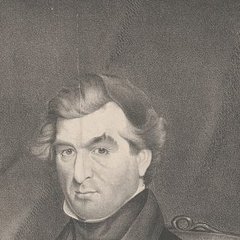 John H. W. HawkinsBest-known speaker of the 1840s Washingtonians
One of the early Baltimore members of the Washingtonians, a society of reformed drunks begun there in 1840, he became their best-known speaker. In one Boston speech he called on drunkards in the audience to come up and reform.
Appears in
- Rule 621 · The Washingtonians
Helen B.On the staff of AA’s office in New York
In 1950 she and Bill W. drew up the plan for a General Service Conference: delegates from each state and province, more where AA was big, split into two panels so that only half would leave at a time.
Appears in
- Trusted ServantsEntrance, 5 · Panel Two
Helen W.In a long relationship with Bill W., by later accounts
Three later writers report that from the mid-1950s Bill W. had a long relationship with her. One writes that she was a former actress about eighteen years younger, for whom Bill found a job at the Grapevine. AA’s own biography of Bill doesn’t mention it.
Appears in
- Number One Man7 · Mr. Anonymous
- Captain of My Soul7 · Learning not to hate
Henrietta D.Wife of Bill D., AA number three
When her husband was in Akron’s City Hospital in 1935, Dr. Bob S. sent her to meet Anne S., who at the door offered her first name. For about a year Anne telephoned her every morning to ask about her quiet time, and in 1949 she wrote Dr. Bob about what Anne had taught the early wives.
Appears in
- Call Me AnneEntrance, 3 · Quiet time, 6 · Every single morning, Legacy
Jim B.Early New York member and self-described atheist
In Washington in January 1938 a man named Jackie called on him; two weeks later Jackie was drunk, and Jim took him to New York. Jim wanted God left out of the Big Book at first, and later helped start AA in Philadelphia.
Appears in
- Keep Coming Back3 · How It Works, Legacy
- Rule 622 · A mile long
- Jittery and Alone1 · Lone Endeavor, 2 · No form letters
- You Had to Be Sponsored6 · The sponsor of my sponsor, 7 · Questions and answers, Legacy
Dr. Jim S.Doctor who started a Black AA group in Washington, D.C., in 1945
A doctor’s son from Virginia, he stabbed his wife, Vi, in a blackout and drifted for years. A white member, Charlie G., came to see him, and in 1945 he started a group that met at the Twelfth Street YMCA for two dollars a night. He died in 1962.
Appears in
- The Only Requirement1 · Two dollars a night
Father John M.Priest in AA who later ran Rosary Hall
A priest about a year sober, he was sent to Cleveland in 1963, and Sister Ignatia soon handed him the morning talks at Rosary Hall. He later ran it, after Sister Victorine Keller.
Appears in
- Your Size in Pajamas7 · Eternity is now, Legacy
Larry J.Newspaperman who brought AA to Texas
A Cleveland newspaperman whom drink had nearly killed, he read the Big Book on the train to Houston early in 1940 and wrote six articles condensing it for the Houston Press, without signing them. Readers who answered them started AA in Texas.
Appears in
- A Bunch of ActorsEntrance, 1 · Six articles
Margaret D.First editor of Al-Anon’s Forum
A volunteer who edited Al-Anon’s monthly newsletter, the Forum, at home, from June 1954 for 20 years and 229 issues. In January 1972, writing in it on Step One, she passed on a saying members already called the Three Cs.
Appears in
- Captain of My Soul6 · The Clearing House
- A Family Disease2 · A fellowship of its own, 4 · A merry-go-round named denial
Marty M.One of the first women in AA · 1904–1980
A Chicago debutante whose drinking led to Bellevue and a Connecticut sanitarium, she read the Big Book in manuscript there and came to her first AA meeting in April 1939. In 1944 she founded a national committee to educate the public about alcoholism.
Meet MartyPeople Like YouAlso in
- Number One Man6 · The quarter mile
- My Sponsor, Ebby5 · The merry-go-round
- Keep Coming Back2 · The Preamble, 4 · First names only
- By the Carload5 · Loan copy
- Rule 62Entrance, 2 · A mile long, 3 · What’s the angle?
- Jittery and Alone4 · Ink-stained wretches
- You Had to Be Sponsored5 · Pigeons, 6 · The sponsor of my sponsor
- A Bunch of ActorsEntrance, 2 · A bunch of actors, 3 · On the air, 4 · Outsiders can understand us
- An Illness of This Sort2 · A far safer term, 3 · Big light, 4 · A major medical problem, 5 · A new sign, 6 · Normal drinking, 7 · Willful misconduct
- A Family Disease2 · A fellowship of its own
Joe McQ.Started Little Rock’s first Black meeting and took the Big Book on the road
Born in Louisville in 1928, he got sober in Little Rock on March 10, 1962, after a white group let him come only if he didn’t drink the coffee. He started the city’s first Black meeting, and from 1977 he and Charlie P. took the Big Book to AA groups.
Appears in
- Suggestions OnlyEntrance, Legacy
- The Only RequirementEntrance, 5 · Don’t drink the coffee
Phyllis C. and Andy C.Started AA meetings on the Alkali Lake reserve
In 1972, on a reserve in British Columbia where nearly everyone drank, Phyllis quit when her daughter wouldn’t come home until she sobered up, and Andy quit days later. They held AA meetings in their house, and by 1979, AA’s newsletter said, 98 percent of the reserve didn’t drink.
Appears in
- The Only RequirementEntrance, 7 · Sobriety is traditional
Priscilla P.Marty M.’s partner of nearly forty years · born 1907
A writer, painter and pianist, she was Macy’s chief copywriter when Marty M. came to work there. Marty brought her into AA around 1943 and sponsored her; by then they were in love. She was one of the six members who started the Grapevine.
Appears in
- People Like YouEntrance, 5 · Women aren’t alcoholics, 7 · Built-in forgetters, Legacy
- Jittery and Alone4 · Ink-stained wretches
- You Had to Be Sponsored5 · Pigeons
Ralph B.Writer of AA’s pamphlets, and its man in the press room
AA’s office took him on in 1952 as a writing and publications consultant. He wrote many of the pamphlets AA was still using in the 1980s and handled the press room at its conventions, St. Louis in 1955 among them, until he fell out with the office’s manager and was let go.
Appears in
- A Bunch of Actors5 · Masks
Ricardo P.Reported to be AA’s first Spanish-speaking member
As AA’s office told it in 1982, he came into Cleveland’s Orchard Grove Group in 1940 and asked his wife to translate the Big Book into Spanish. By 1946 she had translated all of it, and he took it to Bill W. in New York.
Appears in
- The Only RequirementEntrance, 4 · En español
Richmond W.Wrote Twenty-Four Hours a Day
A Boston businessman sober in AA from May 1942, he belonged to the group in Daytona Beach, Florida. He wrote Twenty-Four Hours a Day for other alcoholics, saw it into print himself and kept his name off it. AA turned the book down.
Appears in
- Suggestions Only3 · Pocket cards
Rowland H.Carl Jung’s patient, Ebby T.’s Oxford Group friend · 1881–1945
The eldest son of a Rhode Island mill family, he saw Carl Jung in Zurich in 1926 (AA’s books put it around 1931), went on drinking, and found the Oxford Group in the early 1930s. In 1934 he stood up for Ebby T. in court. He drank again in 1936, never joined AA, and died at his desk in 1945.
Meet RowlandCourt of Last ResortAlso in
- Number One ManEntrance, 6 · The quarter mile, 7 · Mr. Anonymous
- My Sponsor, Ebby3 · The ale in the cellar, 4 · Ten cents, 5 · The merry-go-round, Legacy
- The Educational Variety7 · Spiritus contra spiritum
Ruth G.Started The Family Forum, a magazine for the family groups
The wife of an alcoholic on the West Coast, she started a monthly magazine for the families, The Family Forum, twelve pages on pumpkin-colored paper. She stopped it once Al-Anon’s office opened, and in 1954 the office’s own newsletter took a form of her title.
Appears in
- Captain of My Soul6 · The Clearing House
- A Family Disease2 · A fellowship of its own
Scott H.Chair of AA’s General Service Board from 2024
In 2024 the General Service Board elected him its chair. AA’s general manager called him “the first Class B (A.A. member) chair to serve the GSB,” though by Arthur S.’s account the board’s first two chairmen, in 1938 and 1939, were alcoholics too.
Appears in
- Trusted Servants1 · Class A and Class B, Legacy
Searcy W.Opened a Dallas hospital for alcoholics
In 1950 he opened the Texas Clinic, a hospital for alcoholics in Dallas. When Bill W. visited in 1953 and Searcy asked what he most wanted for AA, Bill asked for a chance for Ebby T. to sober up there. Searcy met Ebby’s plane.
Appears in
- My Sponsor, Ebby6 · Who wants to go to Texas?
Shep C.Ebby T.’s friend in the Oxford Group
A New York stockbroker in the Oxford Group, he called on Ebby T. with Cebra G. in the summer of 1934. That fall Ebby stayed with him in New York before moving to the Calvary Mission.
Appears in
- My Sponsor, Ebby3 · The ale in the cellar, 4 · Ten cents, Legacy
- Court of Last Resort6 · Honesty with yourself, 7 · Fifty times
Teddy R.Nurse who assisted Dr. Silkworth
She assisted Dr. William D. Silkworth on his ward for alcoholics at Knickerbocker Hospital in New York. Bill W. likened the pair to Dr. Bob S. and Sister Ignatia in Akron.
Appears in
- The Little Doctor7 · Duffy’s Tavern
- Your Size in PajamasLegacy
Tom P.Helped Bill W. write the Twelve and Twelve
He helped Bill W. write Twelve Steps and Twelve Traditions, took part in Bill’s séances, and took notes at his first LSD session, in 1956. He later broke with Bill, and was a main source for later writers’ reports of Bill’s affairs.
Appears in
- Number One Man5 · About fifty homes, 6 · The quarter mile, 7 · Mr. Anonymous
- Captain of My Soul7 · Learning not to hate
- Rule 62Legacy
Tom Y.Grapevine editor who printed the Preamble
As the Grapevine’s editor, in June 1947 he printed a short paragraph saying what AA was and what it asked of its members, borrowing much of its phrasing from the Big Book’s Foreword of 1939. Groups began reading it aloud to open their meetings, and it came to be called the Preamble.
Appears in
- Keep Coming Back2 · The Preamble
- Trusted Servants1 · Class A and Class B
Warren C.Early Cleveland member, from 1939
He came to AA in Cleveland in 1939 and had to read the Big Book before his first meeting. He described how members looked into a newcomer’s job and background before calling, and recalled Dr. Bob S. naming two ways to break anonymity.
Appears in
- Rule 626 · The short form
- Suggestions Only1 · Your second Bible
- You Had to Be Sponsored2 · You had to be sponsored, 5 · Pigeons
- A Bunch of Actors1 · Six articles
Yev G.Marty M.’s colleague on her alcoholism council
A New York member from 1941, he was one of those Bill W. sent to find Ebby T. when he disappeared. In the lean early 1950s he worked beside Marty M. on her council on alcoholism, at times without pay.
Appears in
- My Sponsor, Ebby5 · The merry-go-round
- People Like You7 · Built-in forgetters
Doctors, clergy and friends
Doctors, ministers, a nun, a warden and others who weren’t alcoholics, and helped.
Jack AlexanderSaturday Evening Post writer who covered AA
His article on AA in the Saturday Evening Post, March 1, 1941, brought thousands of letters and telegrams to AA’s office in New York. Bill W. later sent him drafts of Twelve Steps and Twelve Traditions, and he suggested changes.
Appears in
- Some Bum from St. Louis3 · Come and get it
- Keep Coming Back1 · The Serenity Prayer
- Rule 621 · The Washingtonians, Legacy
- Jittery and Alone2 · No form letters
- Suggestions Only4 · Wit’s End
- You Had to Be Sponsored6 · The sponsor of my sponsor
- A Bunch of ActorsEntrance, 2 · A bunch of actors, 6 · In shadow, Legacy
Frank AmosRockefeller’s investigator and early AA trustee
A newspaper and advertising man, he went to Akron for John D. Rockefeller Jr. in February 1938 and recommended $50,000; Rockefeller gave $5,000. As a trustee, he sent Bill W. to Harper & Brothers with two chapters of the book.
Appears in
- I Just Work Here6 · 855 Ardmore
- Call Me Anne6 · Every single morning
- By the Carload1 · The barest majority, 2 · Par value $25
- Rule 622 · A mile long
- Trusted Servants1 · Class A and Class B
Leonard BaconPoet, Rowland H.’s cousin
A poet who had been through analysis with Carl Jung himself, he talked Rowland H. and his wife into going to Zurich in 1926 instead of another sanitarium. He won the Pulitzer Prize for poetry in 1941. His papers at Yale held the letters that put Rowland’s time with Jung in 1926.
Appears in
- Court of Last Resort1 · Roy, 2 · The dope for me, 3 · A new cycle, Legacy
Courtenay BaylorLay therapist of the Emmanuel Movement
A lay therapist from Boston, trained at Emmanuel Church, he wrote Remaking a Man (1919). Rowland H.’s family paid him from at least December 1933 to October 1934 to work with Rowland, his wife and two of their children.
Appears in
- Court of Last ResortEntrance, 5 · The pint in the bushes, Legacy
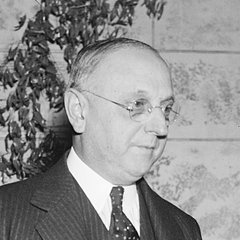 Frank BuchmanFounder of the Oxford Group · 1878–1961
A Lutheran minister from Pennsylvania, he started the Oxford Group, a Christian movement whose members aimed at absolute honesty, purity, unselfishness and love, after writing six letters of apology at Keswick in 1908. Its ten days in Akron in 1933 drew in Anne S. and then Dr. Bob S.; in 1938 he launched Moral Re-Armament.
Appears in
- I Just Work Here3 · Secret drinker
- Call Me Anne3 · Quiet time
- Court of Last Resort3 · A new cycle, 4 · La Luz, 5 · The pint in the bushes
- What Not to DoEntrance, 1 · Keswick, 2 · Soul surgery, 3 · Calvary House, 4 · Ten days in Akron, 5 · Stockbridge, 6 · Team guidance, 7 · Moral Re-Armament, Legacy
- A Bunch of Actors2 · A bunch of actors
Sister ClementineAdministrator of St. Thomas Hospital in 1939
As administrator of St. Thomas Hospital in Akron, she gave her blessing when Sister Ignatia and Dr. Bob S. asked to take alcoholics in. Later, as head of her order, she and Archbishop Edward Hoban for a time kept Sister Ignatia from speaking in public about alcoholism.
Appears in
- Your Size in Pajamas4 · Terrible indigestion, 7 · Eternity is now
Father Ed DowlingJesuit priest who became Bill W.’s spiritual sponsor · 1898–1960
Born in St. Louis in 1898, he was a catcher and a newspaper reporter before he became a Jesuit. He found AA in 1940, helped start its first St. Louis group, and late that year climbed the stairs of AA’s New York clubhouse to meet Bill W., who counted their talk as his Fifth Step. For twenty years he advised Bill, on the Big Book’s royalties among much else, and he took the Steps to married couples. He died in Memphis in 1960.
Meet Father EdSome Bum from St. LouisAlso in
- Number One Man5 · About fifty homes, 6 · The quarter mile, 7 · Mr. Anonymous
- By the CarloadLegacy
- Rule 623 · What’s the angle?
- Suggestions Only4 · Wit’s End, 7 · Good for God
- An Illness of This Sort2 · A far safer term
- The Educational Variety4 · The educational variety, 7 · Spiritus contra spiritum
Clinton T. DuffyWarden of San Quentin prison · 1898–1982
Born at San Quentin, California’s maximum-security prison, he became its warden in 1940 and invited AA members from San Francisco to start a group inside the walls in 1942, the first in any prison. He told its story at AA’s 1950 convention in Cleveland.
Appears in
- Jittery and AloneEntrance, 3 · Inside the walls
- Suggestions Only5 · Problems other than alcohol, 6 · Make your bed
Betty EisnerPsychologist who took LSD with Bill W.
A psychologist in Los Angeles, she took LSD with Bill W. and helped guide a session in February 1957. She wrote to Carl Jung that it was almost a religious drug; he answered that religion couldn’t be injected or swallowed in a pill. She told of the sessions in a memoir she wrote in 2002.
Appears in
- Number One Man7 · Mr. Anonymous
- The Educational Variety7 · Spiritus contra spiritum
Harvey S. FirestoneAkron tire maker who brought the Oxford Group to town
He ran one of Akron’s big rubber companies. To thank the Oxford Group for his son Bud’s sobriety, he invited Frank Buchman’s team, about sixty people, for ten days in January 1933. The groups they left behind drew in Anne S., Henrietta Seiberling and T. Henry Williams.
Appears in
- What Not to DoEntrance, 4 · Ten days in Akron
Dr. Harry Emerson FosdickPreacher at Riverside Church in New York
He read the Big Book before it came out, liked it, and reviewed it in the spring of 1939, though the review brought no orders. He spoke for religion at John D. Rockefeller Jr.’s dinner for AA in February 1940.
Appears in
- Keep Coming Back5 · The basket
- By the Carload5 · Loan copy, 7 · Twelve postcards
- The Educational Variety3 · Having had a spiritual experience
Father Vincent HaasYoung priest who went to an AA meeting for Sister Ignatia
A young priest in Akron, he went to an AA meeting for Sister Ignatia, since a nun couldn’t go out to evening meetings, and came back impressed. When the St. Thomas chaplain wouldn’t hear the alcoholic patients’ confessions, she brought Father Haas in to hear them.
Appears in
- I Just Work Here7 · The flower room
- Your Size in Pajamas4 · Terrible indigestion, 5 · The man you married
Gerald HeardEnglish writer who brought Bill W. to LSD
Through him Bill W. met the psychiatrists Humphry Osmond and Abram Hoffer, who were giving alcoholics LSD. On August 29, 1956, in California, he and Dr. Sidney Cohen guided Bill’s first session with the drug, and he took notes. Ernest Kurtz writes that he had introduced Aldous Huxley to Bill in the mid-1940s.
Appears in
- Number One Man7 · Mr. Anonymous
- Some Bum from St. Louis7 · Backing away from hell
- The Educational Variety7 · Spiritus contra spiritum
Ruth HockNonalcoholic secretary who ran AA’s first office
Secretary in Hank P.’s Newark office, she typed the Big Book as Bill W. dictated it and was paid in stock. Until early 1942 she ran AA’s office in New York and answered the letters that came from readers.
Appears in
- Number One ManLegacy
- My Sponsor, Ebby5 · The merry-go-round
- Some Bum from St. Louis4 · A sense of presence
- Keep Coming Back1 · The Serenity Prayer, 3 · How It Works, Legacy
- By the Carload2 · Par value $25, 3 · To Wives, 5 · Loan copy, 6 · Shoot what?, 7 · Twelve postcards, Legacy
- Rule 622 · A mile long, 3 · What’s the angle?
- Jittery and Alone1 · Lone Endeavor, 2 · No form letters, Legacy
- Trusted Servants2 · A committee of seven, 3 · Box 459
- A Bunch of Actors2 · A bunch of actors
Dr. Abram HofferPsychiatrist who gave alcoholics LSD in Saskatchewan
With Humphry Osmond, at a mental hospital in Saskatchewan in the mid-1950s, he gave alcoholics LSD, a drug so new that no law yet covered it. Bill W. heard of their results, and took it himself in 1956.
Appears in
- Number One Man7 · Mr. Anonymous
- The Educational Variety7 · Spiritus contra spiritum
Aldous HuxleyEnglish novelist, a friend of Gerald Heard
The novelist wrote The Doors of Perception (1954) after Humphry Osmond gave him mescaline. By Ernest Kurtz’s account Gerald Heard introduced him to Bill W. in the mid-1940s, and in 1959 he wrote to Thomas Merton of a friend, saved from alcoholism by a spontaneous experience, who found LSD the same. That he took LSD with Bill is told, but no first-hand source has been found.
Appears in
- Number One Man7 · Mr. Anonymous
- The Educational Variety7 · Spiritus contra spiritum
Sister IgnatiaNun who ran alcoholic wards in Akron and Cleveland · 1889–1966
Born Della Gavin in County Mayo, Ireland, in 1889, she grew up in Cleveland, taught music and joined the Sisters of Charity of St. Augustine in 1914. At St. Thomas Hospital in Akron she admitted Dr. Bob S.’s first alcoholic patient in August 1939, and from 1952 she ran Rosary Hall, a ward at St. Vincent Charity Hospital in Cleveland.
Meet Sister IgnatiaYour Size in PajamasAlso in
- I Just Work HereEntrance, 7 · The flower room
- Call Me Anne3 · Quiet time, 7 · The women decided it, Legacy
- The Little Doctor7 · Duffy’s Tavern
- Some Bum from St. Louis3 · Come and get it, 7 · Backing away from hell, Legacy
- Keep Coming Back6 · The chips
- You Had to Be Sponsored3 · Visiting hours
- The Only Requirement5 · Don’t drink the coffee
- An Illness of This Sort2 · A far safer term
William JamesAuthor of The Varieties of Religious Experience
In December 1934, in Towns Hospital for the last time, Bill W. read James’s The Varieties of Religious Experience; he thought Ebby T. had brought it. Bill later said most of the ideas behind the Twelve Steps came from the Oxford Group, James and Dr. Silkworth.
Appears in
- I Just Work Here4 · The gate lodge
- My Sponsor, Ebby4 · Ten cents
- The Little Doctor3 · The Bedside
- Keep Coming Back3 · How It Works
- What Not to Do3 · Calvary House, Legacy
- The Educational VarietyEntrance, 1 · The book Ebby brought, 3 · Having had a spiritual experience, 4 · The educational variety, 6 · Beyond the 4th Dimension, 7 · Spiritus contra spiritum, Legacy
- A Family Disease2 · A fellowship of its own
E. M. JellinekYale scientist who studied alcoholism
One of the two Yale scientists on the Grapevine’s first front page, in 1944. From 98 AA men’s answers to the Grapevine’s questionnaire of 1945 he drew his phases of alcoholism, warning himself about the small sample. His book The Disease Concept of Alcoholism came out in 1960.
Appears in
- The Little DoctorLegacy
- People Like You6 · Something useful
- Jittery and Alone4 · Ink-stained wretches
- An Illness of This SortEntrance, 3 · Big light
Dr. Carl JungPsychiatrist who treated Rowland H. in Switzerland · died 1961
He treated Rowland H., a drinker, in Zurich in 1926; AA’s books put it around 1931 and say that when Rowland drank again, Jung told him only a spiritual awakening could help. Rowland found the Oxford Group, and the message reached Bill W. through Ebby T. In 1961 Bill wrote to thank him. Jung answered that Rowland’s craving had been a thirst for wholeness, and died that June.
Appears in
- Number One ManEntrance, 6 · The quarter mile, 7 · Mr. Anonymous
- I Just Work Here4 · The gate lodge
- My Sponsor, Ebby3 · The ale in the cellar, 4 · Ten cents
- Court of Last ResortEntrance, 1 · Roy, 2 · The dope for me, 3 · A new cycle, 4 · La Luz, 5 · The pint in the bushes, 6 · Honesty with yourself, 7 · Fifty times, Legacy
- Some Bum from St. LouisLegacy
- Suggestions Only5 · Problems other than alcohol
- The Educational VarietyEntrance, 1 · The book Ebby brought, 2 · Hot flash, 7 · Spiritus contra spiritum, Legacy
Sister Victorine KellerNun who ran Charity Hospital’s first alcoholic ward
At St. Vincent Charity Hospital in Cleveland she ran the alcoholic ward that came before Rosary Hall. She came back around 1964 to help Sister Ignatia, and after her ran Rosary Hall herself.
Appears in
- Your Size in Pajamas6 · No professional job, 7 · Eternity is now, Legacy
Joseph L. KellermannMinister who wrote A Merry-Go-Round Named Denial
Director of the Charlotte Council on Alcoholism, in North Carolina, and not an Al-Anon member. At a luncheon of Al-Anon’s 1968 Conference he compared alcoholism in a family to a play in three acts; in 1969 the Conference approved the talk, as he gave it in Milford, Connecticut, that October, as the pamphlet Alcoholism, a Merry-Go-Round Named Denial.
Appears in
- A Family DiseaseEntrance, 4 · A merry-go-round named denial
F. B. MeyerPreacher Frank Buchman admired
Buchman went to the 1908 Keswick Convention hoping to hear him, but he wasn’t there. At Penn State a visiting preacher, almost certainly Meyer by Garth Lean’s account, told Buchman to make man-to-man interviews central rather than meetings.
Appears in
- What Not to Do1 · Keswick, 2 · Soul surgery
Jim NewtonHarvey S. Firestone’s assistant and an Oxford Group man
He came to work for Harvey S. Firestone in the late 1920s. In 1931 he took Firestone’s son Bud to a drying-out clinic and then to Denver, where Sam Shoemaker had brought a team of Groupers, and Bud stopped drinking.
Appears in
- What Not to Do4 · Ten days in Akron
Dr. Jack NorrisNonalcoholic AA trustee and chairman of its General Service Board
A physician and nonalcoholic trustee, he chaired the General Service Board from 1961 to 1978 and thought Bill W.’s depression was partly physical. At the first Conference after Bill’s death, in 1971, he told the delegates Bill believed AA’s wisdom came up from the groups; in 1977 he told it that meetings adding other requirements should be counted as meetings, not groups.
Appears in
- Number One Man6 · The quarter mile, 7 · Mr. Anonymous
- The Only RequirementLegacy
- Trusted Servants1 · Class A and Class B, 5 · Panel Two, Legacy
- A Bunch of Actors6 · In shadow, Legacy
Dr. Humphry OsmondPsychiatrist who gave alcoholics LSD in Saskatchewan
In the mid-1950s, at a mental hospital in Saskatchewan, he and Abram Hoffer gave alcoholics LSD, expecting it to frighten them like the D.T.’s; instead, he said, it was illuminating. Bill W., at first against it, took the drug himself in 1956. In 1953 Osmond had given Aldous Huxley mescaline.
Appears in
- Number One Man7 · Mr. Anonymous
- The Educational Variety7 · Spiritus contra spiritum
Willard RichardsonRockefeller adviser and early AA trustee
He ran John D. Rockefeller Jr.’s private charities. A call to him from Dr. Leonard Strong, Bill W.’s brother-in-law, led to a meeting in Rockefeller’s board room late in 1937, and in 1938 he became one of the first trustees of the Alcoholic Foundation.
Appears in
- Number One Man5 · About fifty homes
- Keep Coming Back5 · The basket
- By the Carload1 · The barest majority
- Trusted Servants1 · Class A and Class B
John D. Rockefeller Jr.Philanthropist who helped AA’s founders
His advisers heard the founders’ plans late in 1937. He gave $5,000 to tide Bill W. and Dr. Bob S. over, and no more, fearing money would spoil the work. His February 1940 dinner for AA brought newspaper stories and a flood of book orders.
Appears in
- Number One Man5 · About fifty homes
- I Just Work Here6 · 855 Ardmore
- Call Me Anne6 · Every single morning
- Keep Coming BackEntrance, 5 · The basket
- By the Carload1 · The barest majority, 6 · Shoot what?, Legacy
- Rule 62Entrance, 5 · Twelve Points
- Jittery and Alone2 · No form letters
- Trusted Servants4 · Book money
- A Bunch of Actors2 · A bunch of actors
Dr. Benjamin RushPhiladelphia doctor who called drunkenness a disease
A signer of the Declaration of Independence, he published a pamphlet in the 1780s on what strong drink did to the body and to society. Its enlarged editions called drunkenness a disease outright.
Appears in
- An Illness of This SortEntrance, 1 · By that name, Legacy
Henrietta SeiberlingOxford Group member who introduced AA’s founders
An Oxford Group member in Akron, she had been trying to help Dr. Bob S. when Bill W. phoned her in May 1935. On May 12 she had both men to dinner at her home, the gate lodge on the Seiberling estate.
Appears in
- I Just Work HereEntrance, 3 · Secret drinker, 4 · The gate lodge, 6 · 855 Ardmore, Legacy
- Call Me AnneEntrance, 3 · Quiet time, 4 · Bob is on the floor, 7 · The women decided it
- The Little Doctor4 · Stop preaching
- What Not to Do4 · Ten days in Akron
Monsignor Fulton J. SheenRadio priest who explained Catholicism to Bill W.
A Catholic priest known for his radio talks, he was introduced to Bill W. by Fulton and Grace Oursler and offered to explain Catholicism to him. In the late 1940s Bill went to him on Saturdays for the better part of a year, and wrote to Father Ed Dowling about what he was learning.
Appears in
- Number One Man6 · The quarter mile
- Some Bum from St. LouisEntrance, 5 · Couples are not alone
- A Family Disease2 · A fellowship of its own
Sam ShoemakerEpiscopal minister, Oxford Group leader in New York
Rector of Calvary Church in New York, he was a leader of the Oxford Group, whose meetings Bill and Lois W. attended there from 1934 to 1937. He broke with the Group in 1941 and later apologized to Bill. He spoke at AA’s 1955 convention.
Appears in
- Number One Man4 · The voice on the subway, 7 · Mr. Anonymous
- I Just Work Here4 · The gate lodge
- Captain of My Soul4 · Damn your old meetings
- My Sponsor, Ebby4 · Ten cents
- Court of Last Resort6 · Honesty with yourself, 7 · Fifty times
- Some Bum from St. Louis7 · Backing away from hell
- Suggestions Only7 · Good for God
- What Not to DoEntrance, 3 · Calvary House, 4 · Ten days in Akron, 6 · Team guidance, 7 · Moral Re-Armament, Legacy
- The Educational Variety7 · Spiritus contra spiritum
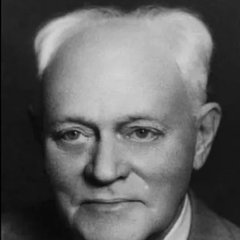 Dr. William D. SilkworthBill W.’s doctor at Towns Hospital · 1873–1951
Chief physician at Towns Hospital in New York, he told Bill W. that his drinking was an illness, not a weakness, and in December 1934 told him to hold on to the experience that ended it. He wrote the letter that opens the Big Book.
Meet Dr. SilkworthThe Little DoctorAlso in
- Number One Man3 · The family Bible, 7 · Mr. Anonymous
- I Just Work Here4 · The gate lodge
- Captain of My Soul3 · Everlastingly trying
- My Sponsor, Ebby4 · Ten cents
- Court of Last Resort4 · La Luz
- Your Size in PajamasLegacy
- Keep Coming Back3 · How It Works
- By the Carload2 · Par value $25, 3 · To Wives, 5 · Loan copy, Legacy
- Rule 624 · Middleton Group #1
- Jittery and Alone1 · Lone Endeavor
- You Had to Be Sponsored3 · Visiting hours
- What Not to DoLegacy
- Trusted Servants1 · Class A and Class B
- An Illness of This Sort1 · By that name, 2 · A far safer term
- The Educational Variety3 · Having had a spiritual experience
Bernard SmithTrustee behind AA’s General Service Conference
A nonalcoholic lawyer and businessman, he chaired the trustees’ committee that agreed to try a General Service Conference, and Bill W. credited him with its design. At St. Louis in 1955 he put to the delegates the resolution making the Conference the founders’ permanent successor.
Appears in
- Rule 627 · A standing vote, Legacy
- Trusted Servants1 · Class A and Class B
Dr. Leonard StrongBill W.’s brother-in-law, a doctor
He paid for Bill W.’s stays at Towns Hospital. Later he put Bill in touch with Willard Richardson, which led to John D. Rockefeller Jr., and in 1938 he became one of the first trustees of the Alcoholic Foundation.
Appears in
- Number One Man3 · The family Bible
- The Little Doctor2 · Towns Hospital
- By the Carload1 · The barest majority
- Trusted Servants1 · Class A and Class B
Dr. Harry TieboutMarty M.’s psychiatrist at Blythewood
As medical director of Blythewood, a sanitarium in Greenwich, Connecticut, he told Marty M. she could never drink again, then gave her the Big Book. After her recovery he urged other psychiatrists to take AA seriously. Bill W. began seeing him in 1944.
Appears in
- Number One Man6 · The quarter mile
- My Sponsor, Ebby3 · The ale in the cellar
- People Like You1 · Catherine, 3 · The glass box, 4 · The red manuscript
- By the Carload2 · Par value $25, 5 · Loan copy
- The Educational Variety2 · Hot flash
Charles B. TownsOwner of Towns Hospital in New York
A former salesman who sold his own cure, he owned the hospital where Dr. William D. Silkworth treated Bill W. In 1937 he offered Bill paid work there as a lay therapist, which Bill turned down. He later lent $2,500 toward the Big Book.
Appears in
- Number One Man4 · The voice on the subway
- The Little DoctorEntrance, 1 · Inebriate ward, 2 · Towns Hospital, 6 · The Doctor’s Opinion
- By the Carload2 · Par value $25, 6 · Shoot what?, 7 · Twelve postcards, Legacy
- Rule 623 · What’s the angle?
- A Bunch of Actors1 · Six articles
Walter TunksAkron minister who answered Bill W.’s call
An Episcopal minister in Akron, he was the first person Bill W. phoned in May 1935. He gave Bill a list of about ten names that led to Henrietta Seiberling and Dr. Bob S. Fifteen years later he led Dr. Bob’s funeral.
Appears in
- I Just Work Here4 · The gate lodge, Legacy
- The Little Doctor4 · Stop preaching
- What Not to Do4 · Ten days in Akron
T. Henry WilliamsOxford Group man who hosted Akron’s meetings
An Oxford Group man in Akron, he opened his home to the alcoholics. Dr. Bob S. confessed his drinking there in 1935, and members voted on Bill W.’s plans there in 1937. When they left the Group, he wrote Bill they would always be welcome.
Appears in
- I Just Work Here6 · 855 Ardmore
- Call Me Anne7 · The women decided it
- By the Carload1 · The barest majority, 4 · Who were we to edit?
- You Had to Be Sponsored2 · You had to be sponsored
- What Not to Do6 · Team guidance, 7 · Moral Re-Armament, Legacy
Nell WingBill W.’s secretary, later AA’s first archivist
She worked as Bill W.’s secretary at AA’s headquarters in New York and later became AA’s first archivist. In 1962 she looked into how AA’s chips began, and Bill’s biographers drew on her memories of him, including his death.
Appears in
- Number One Man5 · About fifty homes, 6 · The quarter mile, 7 · Mr. Anonymous, Legacy
- Captain of My Soul7 · Learning not to hate
- My Sponsor, Ebby5 · The merry-go-round, Legacy
- Keep Coming Back4 · First names only, 6 · The chips
- Trusted Servants3 · Box 459, 6 · The right of decision, 7 · The old files
- The Educational Variety7 · Spiritus contra spiritum
Who wrote it down
The historians and biographers these pages draw on, and what each wrote.
Arthur S.Compiled a timeline of AA history
His Narrative Timeline of AA History (2009), drawn from the office’s archives, is where these pages check many dates. By his account the board’s first two chairmen, in 1938 and 1939, were alcoholics.
Appears in
- Call Me Anne2 · Christmas money, 3 · Quiet time
- Court of Last ResortLegacy
- People Like You5 · Women aren’t alcoholics
- Keep Coming Back3 · How It Works
- By the Carload3 · To Wives, 6 · Shoot what?
- What Not to Do2 · Soul surgery, 4 · Ten days in Akron
- Trusted ServantsEntrance, 1 · Class A and Class B, 5 · Panel Two, 6 · The right of decision, 7 · The old files, Legacy
- A Bunch of ActorsEntrance, 1 · Six articles, 2 · A bunch of actors, 4 · Outsiders can understand us, 7 · My Name Is Bill W.
Mike AshtonHistorian of the controlled-drinking argument
Wrote “Dangerous data” (2021), a history of the argument over whether some alcoholics can return to normal drinking, for the Society for the Study of Addiction.
Appears in
- An Illness of This SortEntrance, 6 · Normal drinking
Harold BegbieWrote Life Changers
His Life Changers (1923) has the earliest account of Keswick from Frank Buchman himself: a village church, a woman preacher whose name Buchman didn’t know, and the decision to write his letters of apology coming afterward, on a walk around the lake.
Appears in
- Court of Last Resort3 · A new cycle
- What Not to DoEntrance, 1 · Keswick
Amy Colwell BluhmHistorian of psychology
In a 2006 paper in History of Psychology, she placed Rowland H.’s first analysis with Carl Jung in 1926, from letters no one had examined, and wrote that Bill W.’s date had sent searchers to the wrong year. She came to them through another of Rowland’s cousins, Carol Sawyer Baumann, the subject of her dissertation.
Appears in
- Court of Last Resort1 · Roy, 2 · The dope for me, 3 · A new cycle, Legacy
Bob P.Wrote a history of AA for its office
He wrote A.A. World History for AA’s General Service Office, finished in 1985 and never published. These pages quote it from a transcription online, for groups and dates the published histories leave out.
Appears in
- Keep Coming Back3 · How It Works
- Rule 62Legacy
- The Only RequirementEntrance, 1 · Two dollars a night, 2 · Under thirty-five, 3 · Overseas, 4 · En español, 5 · Don’t drink the coffee, 6 · Double stigma, 7 · Sobriety is traditional
- Trusted ServantsEntrance, 1 · Class A and Class B, 2 · A committee of seven, 3 · Box 459, 4 · Book money, 5 · Panel Two, 6 · The right of decision, 7 · The old files, Legacy
- A Bunch of ActorsEntrance, 5 · Masks, 6 · In shadow, 7 · My Name Is Bill W., Legacy
Sally Brown and David R. BrownBiographers of Marty M.
Wrote A Biography of Mrs. Marty Mann (2001), the main source for Marty M.’s story. They drew on her papers, fifty-one tapes of her talks, Felicia G.’s journals and interviews with people who knew her, and reported a relapse about 1960.
Appears in
- People Like YouEntrance, 4 · The red manuscript, 5 · Women aren’t alcoholics, 7 · Built-in forgetters, Legacy
- You Had to Be Sponsored5 · Pigeons
- A Bunch of Actors4 · Outsiders can understand us
Susan CheeverBiographer of Bill W.
Wrote My Name Is Bill (2004), a biography of Bill W., and was one of three writers to report other women in his life. She also drew on his night nurse’s notes from his last weeks.
Appears in
- Number One Man5 · About fifty homes, 7 · Mr. Anonymous, Legacy
- Captain of My Soul7 · Learning not to hate
- Court of Last ResortLegacy
Mary C. DarrahBiographer of Sister Ignatia
Wrote Sister Ignatia: Angel of Alcoholics Anonymous (1992), the main source for Sister Ignatia’s life, nine years in the making. She grew up near the story: her father was on Charity Hospital’s medical staff, and Sister Ignatia visited their home.
Appears in
- Call Me Anne3 · Quiet time, 6 · Every single morning, 7 · The women decided it, Legacy
- Your Size in PajamasEntrance, 1 · Lessons at home, 2 · A live Sister, 3 · May I have a bed?, 4 · Terrible indigestion, 5 · The man you married, 6 · No professional job, 7 · Eternity is now, Legacy
- Some Bum from St. Louis3 · Come and get it
- Keep Coming Back6 · The chips
- What Not to Do4 · Ten days in Akron
Dick B.Printed Anne S.’s notebook
An AA member who wrote about the movement’s Christian roots. In 1991 AA’s archives sent him and Sue a copy of Anne S.’s Oxford Group notebook, and he printed much of it in a book the next year, later titled Anne Smith’s Journal. He found in it the ideas behind all twelve Steps, though he wrote that no AA history he had read showed Bill W. ever read it.
Appears in
- Call Me Anne3 · Quiet time, Legacy
Richard DubielHistorian of the Emmanuel Movement
A professor in Wisconsin, he wrote The Road to Fellowship (2004) on the Emmanuel Movement. From the Hazard family’s papers he found that Rowland H. could have seen Jung for two months at most in 1931, and that the family paid a lay therapist, Courtenay Baylor, in 1933 and 1934.
Appears in
- Court of Last ResortEntrance, 2 · The dope for me, 4 · La Luz, 5 · The pint in the bushes, 6 · Honesty with yourself, 7 · Fifty times, Legacy
Cora FinchResearcher of Rowland H.’s life
Calling herself an amateur researcher, she traced Rowland H. through his checks and his family’s letters at Yale and in Providence, and put her account, Stellar Fire, online in 2006–07. It placed his time with Jung in 1926.
Appears in
- Court of Last ResortEntrance, 1 · Roy, 2 · The dope for me, 3 · A new cycle, 4 · La Luz, 5 · The pint in the bushes, 6 · Honesty with yourself, 7 · Fifty times, Legacy
Robert FitzgeraldJesuit who wrote about Father Ed and Bill W.
A Jesuit, he wrote about the friendship of Father Ed Dowling and Bill W. in the Catholic Digest in 1991, and printed many of their letters in The Soul of Sponsorship (Hazelden, 1995).
Appears in
- Some Bum from St. LouisEntrance, 4 · A sense of presence, 5 · Couples are not alone, 6 · Stuff of the saints, 7 · Backing away from hell, Legacy
Glenn C.AA historian
From 2005 on he wrote about how two members’ books, The Little Red Book and Twenty-Four Hours a Day, were written and printed. He edited a 2002 transcription of the Akron group’s manual, and in 2011 dated it to 1942 or soon after. In 2015 he posted a long draft biography of Father Ed Dowling, and his Heroes of Early Black AA came out in 2017.
Appears in
- Some Bum from St. LouisEntrance, 1 · Two tryouts, 2 · The Queen’s Work, 3 · Come and get it, 4 · A sense of presence, 5 · Couples are not alone, 6 · Stuff of the saints, 7 · Backing away from hell, Legacy
- Suggestions Only1 · Your second Bible, 3 · Pocket cards
- The Only RequirementEntrance, 1 · Two dollars a night, 5 · Don’t drink the coffee
Dawn Eden GoldsteinTheologian, Father Ed Dowling’s biographer
A theologian, she published Father Ed: The Story of Bill W.’s Spiritual Sponsor in 2022, and in 2023 articles drawn from it quoted his 1940 letters to AA’s office.
Appears in
- Some Bum from St. LouisEntrance, 4 · A sense of presence, Legacy
Francis HartiganLois W.’s secretary and Bill W.’s biographer
In his biography Bill W. (2000) he reported other women in Bill’s life, among them Helen W., who, he wrote, received about a tenth of Bill’s royalties after his death. His main witness was Tom P., who later broke with Bill.
Appears in
- Number One Man6 · The quarter mile, 7 · Mr. Anonymous
- Captain of My Soul7 · Learning not to hate
- Your Size in Pajamas5 · The man you married
- The Only Requirement5 · Don’t drink the coffee
Ernest KurtzHistorian of AA
Wrote Not-God (1979), a history of AA, and a 1999 essay on Bill W.’s experiments with LSD. When an AA trustee asked him to consider cutting the LSD from his dissertation, he kept it in.
Appears in
- Number One Man7 · Mr. Anonymous, Legacy
- People Like You7 · Built-in forgetters
- Trusted Servants7 · The old files
- An Illness of This SortEntrance, 2 · A far safer term, 4 · A major medical problem
- The Educational VarietyEntrance, 7 · Spiritus contra spiritum
Garth LeanFrank Buchman’s biographer
Wrote Frank Buchman: A Life (1985), the main source for the Oxford Group’s side of its own story. He was one of Buchman’s followers, and his book tells the start of AA in a page, in a chapter called “Communism and Alcoholics Anonymous.”
Appears in
Jared LobdellHistorian
In Culture, Alcohol and Society Quarterly in 2006 and 2007 he wrote about Cebra G.’s 1954 conversation with Bill W., the source of the story of Rowland H.’s pint thrown into the bushes.
Appears in
- Court of Last Resort5 · The pint in the bushes, 6 · Honesty with yourself
Ian McCabeAuthor of Carl Jung and Alcoholics Anonymous
Wrote Carl Jung and Alcoholics Anonymous (2015), which prints letters from AA’s archives and elsewhere, among them Bill W.’s reply to a Miami member in 1958 and the third page of his March 1961 letter to Jung, left out of AA’s biography of Bill, telling of his first trial of LSD.
Appears in
- Number One Man7 · Mr. Anonymous
- The Educational VarietyEntrance, 6 · Beyond the 4th Dimension, 7 · Spiritus contra spiritum
Mel B.Biographer of Ebby T.
Wrote Ebby: The Man Who Sponsored Bill W. (1998), a main source on Ebby T.’s life, drawing on Ebby’s 1954 recordings. He reckoned Ebby had about fifteen sober years out of thirty-two, and cautioned members against being too critical of sponsors who drink again.
Appears in
- My Sponsor, EbbyEntrance, 1 · The first deceit, 2 · Exile, 3 · The ale in the cellar, 4 · Ten cents, 5 · The merry-go-round, 6 · Who wants to go to Texas?, 7 · Peaceable Street, Legacy
- Court of Last Resort2 · The dope for me, 6 · Honesty with yourself, 7 · Fifty times
- You Had to Be Sponsored6 · The sponsor of my sponsor
- The Educational Variety2 · Hot flash
Mike O.AA member and historian
An AA member in Florida, he wrote about Rowland H. for the Roundtable of AA History in 1998, from the family’s papers in Providence, which show no sign of Switzerland in 1931 or 1932.
Appears in
- Court of Last ResortLegacy
Dale MitchelBiographer of Dr. William D. Silkworth
Wrote Silkworth: The Little Doctor Who Loved Drunks (2002). It reproduced Bill W.’s 1949 letter to the doctor, and printed a nurse’s memory of her first day on his ward at Knickerbocker Hospital and an account of that ward from about 1948.
Appears in
- The Little Doctor3 · The Bedside, 5 · The papers, 7 · Duffy’s Tavern
- You Had to Be Sponsored3 · Visiting hours
Nan RobertsonNew York Times reporter who wrote on AA
Wrote Getting Better: Inside Alcoholics Anonymous (1988) and was one of three writers to report other women in Bill W.’s life. She wrote that his affairs filled him with guilt and that about a tenth of his royalties went to Helen W. after his death.
Appears in
- Number One Man7 · Mr. Anonymous
- Captain of My Soul7 · Learning not to hate
Ron R.Grapevine writer
He profiled Rowland H. in the Grapevine in May 1995 as “a vital link in the chain,” still dating his time with Jung to 1931.
Appears in
- Court of Last Resort1 · Roy, 2 · The dope for me, 7 · Fifty times, Legacy
Cecil RoseWrote When Man Listens
His When Man Listens (1937), one of the Oxford Group’s own books, told Groupers to write down the thoughts that came in quiet time, and to test them against the four absolutes.
Appears in
- What Not to DoEntrance, 6 · Team guidance
Father Thomas C.Jesuit chosen to write Sister Ignatia’s life
A Jesuit and her friend, he wrote and read the eulogy at Sister Ignatia’s funeral in 1966, and her order chose him to write her life. He died within months and much of what he had gathered was lost; Mary C. Darrah later drew on the notes that survived.
Appears in
- Your Size in Pajamas1 · Lessons at home, 2 · A live Sister, 6 · No professional job, Legacy
Robert ThomsenBiographer of Bill W.
Worked beside Bill W. for the last twelve years of his life and wrote his biography, Bill W. (1975). It gave its own wording of what Dr. William D. Silkworth told Bill at his bedside in 1934 and of the doctor’s advice to stop preaching.
Appears in
- Number One Man7 · Mr. Anonymous
- The Little Doctor3 · The Bedside, 4 · Stop preaching
- A Bunch of Actors7 · My Name Is Bill W.
Wally P.Arizona member who revived the beginners’ classes
Wrote Back to Basics (1997), a book with four tapes that brought back the 1940s beginners’ classes, taking newcomers through all Twelve Steps in four one-hour sessions. In a 1996 talk he said Dr. Bob S. had approved the manuscript of The Little Red Book.
Appears in
- Suggestions Only3 · Pocket cards, Legacy
- You Had to Be Sponsored4 · Full responsibility
Howard WalterWrote Soul-Surgery
A YMCA man in India who had worked beside Frank Buchman, he wrote up Buchman’s way of working with one person at a time as Soul-Surgery, published in 1919, after his death.
Appears in
- What Not to DoEntrance, 1 · Keswick, 2 · Soul surgery
William L. WhiteHistorian of addiction treatment
Wrote Slaying the Dragon (1998), a history of addiction treatment, and later wrote on Hazelden and Addicts Anonymous. He argued that what Dr. William D. Silkworth did not do for Bill W., such as reach for a sedative, mattered as much as what he did.
Appears in
- The Little Doctor3 · The Bedside, Legacy
- Suggestions Only5 · Problems other than alcohol, 6 · Make your bed
- An Illness of This SortEntrance, 1 · By that name, 3 · Big light, 4 · A major medical problem